4 Diseases to Watch Out for in Winter|Preventing Pneumonia, Shingles, Stroke, and Falls

Winter diseases strike when low temperatures and cold winds weaken the body's immunity. Chronic conditions and various health problems you already have also tend to worsen during this season. Older adults in particular are less able to adapt to temperature changes, so they need to take extra care. Let's look at the major diseases common in winter and how to prevent and manage them.
Winter Diseases at a Glance
-
Pneumonia: If cold symptoms last more than a week, get a chest X-ray, and keep up with pneumococcal and flu vaccines.
-
Shingles: A tingling pain is followed by a band-shaped blistering rash, and vaccination is recommended after age 50.
-
Stroke: Cold weather constricts blood vessels and raises the risk, so avoid early-morning exercise and cold showers.
-
Falls and osteoporosis: Go out less on icy roads, and protect your bones with bone density tests and vitamin D supplements.
4 Major Winter Diseases and How to Prevent Them
1. Pneumonia: Don't Let Your Guard Down Even If It Feels Like a Cold
-
Risk: It is a deadly disease with very high incidence and mortality rates among people aged 65 and older.
-
Symptoms and diagnosis: Older patients often do not show typical symptoms such as cough, phlegm, or high fever, and it can pass like a mild cold, making early detection difficult. If cold symptoms last more than a week, be sure to visit a hospital and get a chest X-ray.
-
Prevention: Keep indoor humidity at 50–60% and drink plenty of fluids. It is also important to get the pneumococcal vaccine and the influenza (flu) vaccine on schedule. In Korea, people aged 65 and older can get the 23-valent pneumococcal vaccine for free at public health centers or designated medical institutions.
2. Shingles: A Virus That Reawakens When Immunity Drops
-
Causes and symptoms: It occurs when the chickenpox virus lying dormant in the body is reactivated by weakened immunity, fatigue, stress, or exposure to cold. At first a tingling pain appears, and within 2–3 days a band-shaped rash of blisters develops.
-
Prevention and care: It can be fully cured if detected and treated early. Because the incidence rises after age 50, vaccination is strongly recommended.
3. Stroke: Freezing Cold Tightens Blood Vessels
-
Causes: Chronic conditions such as high blood pressure, diabetes, and high cholesterol weaken the blood vessels. Exposure to sub-zero winter weather makes blood vessels constrict sharply, reducing blood flow to the brain and raising the risk of ischemic stroke.
-
Precautions: Avoid exercising at dawn or outdoors in the cold, and avoid cold showers. Manage chronic conditions carefully, and if you are in a high-risk group, it is a good idea to get a carotid ultrasound or an arteriosclerosis test in advance.
4. Falls and Osteoporosis: One Fall Can Mean a Long Recovery
-
Causes: Icy roads and the cold in winter stiffen the muscles and impair balance, causing a sharp rise in falls among people aged 65 and older.
-
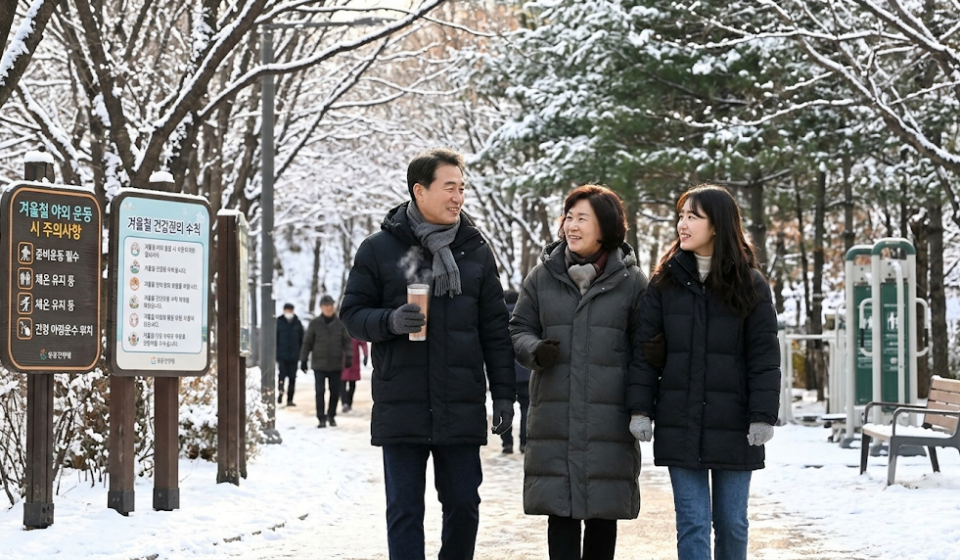
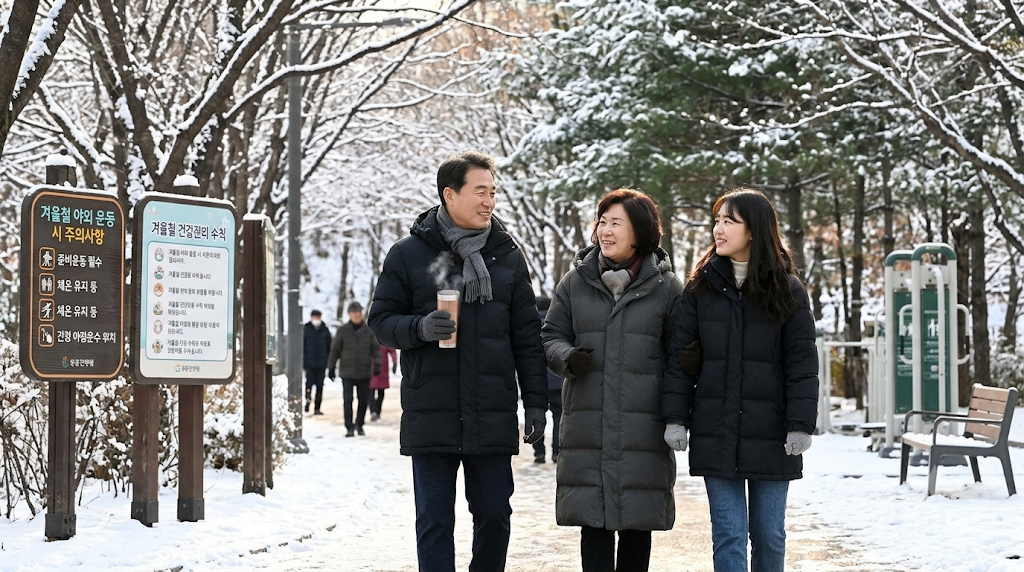
Prevention: Avoid going out on snowy days or early in the morning, and wear protective gear such as hip and knee pads when you go out. Lay non-slip mats in slippery places such as the bathroom to prevent accidents.
-
Managing osteoporosis: Postmenopausal women and older men should get regular osteoporosis screenings and, if necessary, take vitamin D along with medication. You can get vitamin D from 20–30 minutes of sunlight a day or from supplements.
Nutrition and Exercise to Boost Immunity in Winter
Choose Only the Supplements You Need
Rather than taking many supplements at once, it is important to choose the essential ones that suit your body. Identify the nutrients you lack through tests such as a mineral test, and take supplements after consulting an expert so they do not strain your liver and kidneys.
The Importance of Protein Intake and Strength Training
-
Protein supplementation: From your 40s onward, muscle gradually decreases and is easily replaced by fat. It is good to eat protein-rich foods such as eggs, beans, tofu, and chicken breast at every meal. However, if you have chronic liver disease or kidney failure, be sure to consult a doctor before taking protein supplements.
-
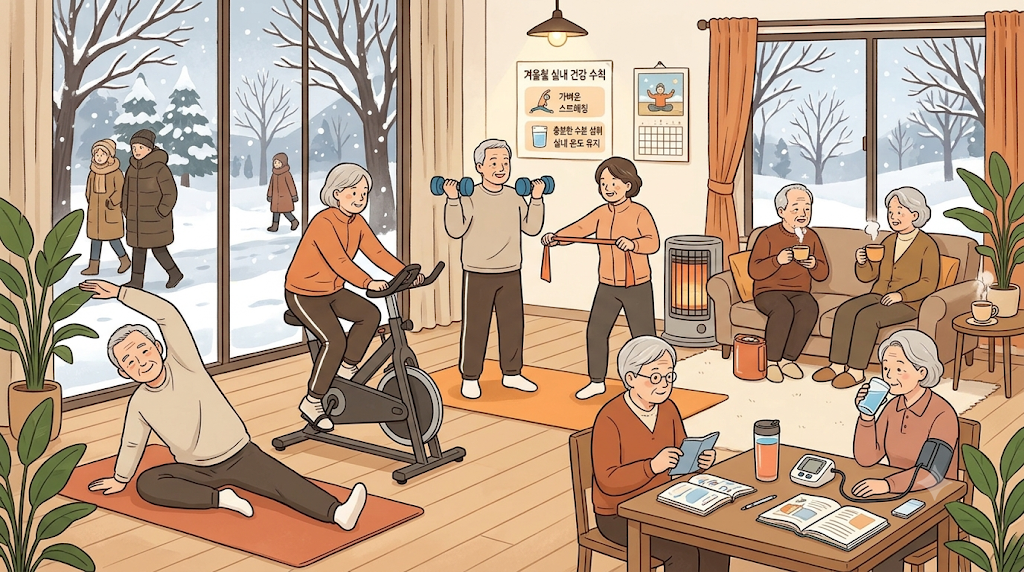
Combine with strength training: To prevent loss of lower-body strength, it is effective to keep up about 30 minutes of light exercise a day, such as light dumbbell workouts or climbing stairs. On cold days, it is safer to exercise indoors instead.
Winter Diseases: Frequently Asked Questions
Why is pneumonia in older adults detected late?
Because in older adults it often passes like a mild cold without a high fever or severe cough. Sometimes the only signs are low energy or loss of appetite, so if cold symptoms last more than a week, it is best to get checked.
When is the best time to exercise in winter?
Daytime, when the sun is out, is better than early morning, when temperatures are lowest. If outdoor exercise feels too much, stretching and light strength training indoors are enough.
What indoor humidity should I aim for?
About 50–60% is appropriate. When heating dries the air, the mucous membranes of the airways weaken and become more vulnerable to infection, so use a humidifier and ventilate often.
Most winter diseases can be prevented if you know about them and prepare in advance. Keep up with vaccinations and regular checkups, and have a healthy winter with warm clothing and steady exercise.
Discover more from Korea Doctor Interview
Subscribe to get the latest posts sent to your email.