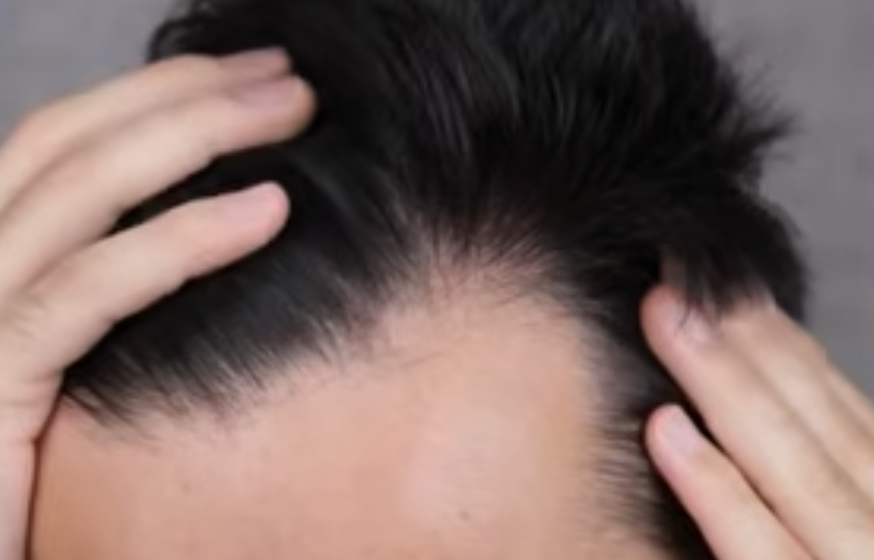

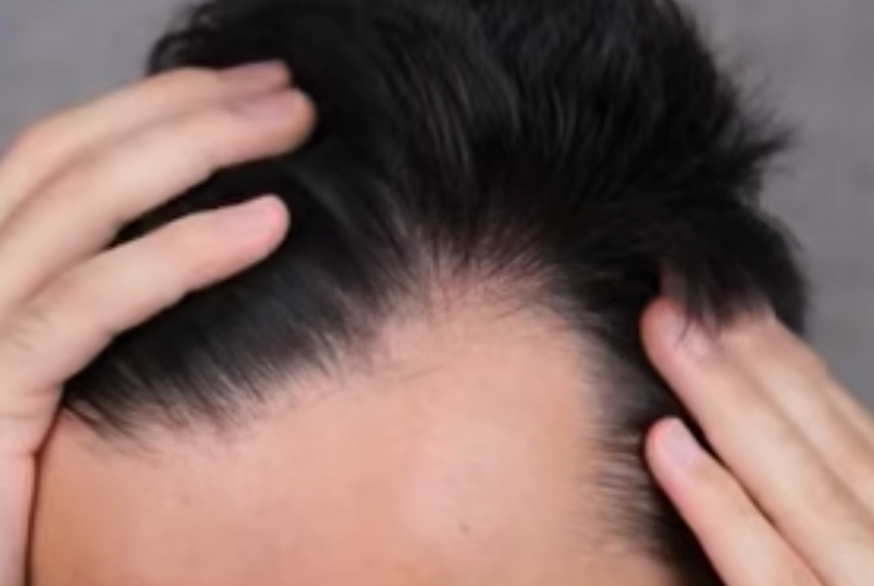
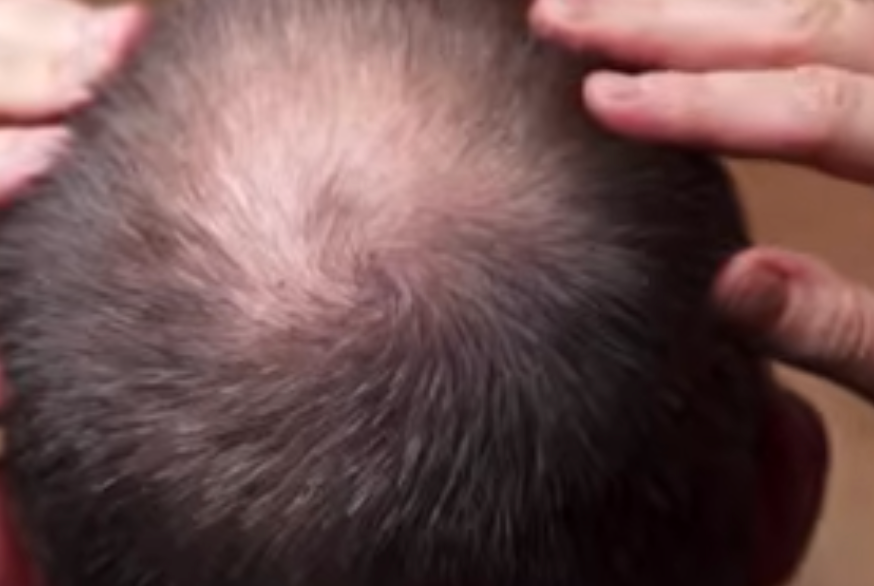
Has your hair been getting thinner or falling out more than usual, leaving you worried about hair loss? If you notice more hair coming out when you wash or brush it, or if your crown or part looks wider than before, it is a good idea to review your eating and lifestyle habits. Hair health is influenced not only by genetics and hormonal changes but also by nutrition, stress, sleep, scalp health, and many other factors.
To keep hair healthy, balanced nutrition matters just as much as scalp care. In particular, it can help to get enough protein, the main component of hair, along with essential nutrients needed for hair growth such as iron and zinc. So which everyday foods are good for helping prevent hair loss?
1. Protein-Rich Eggs, Fish, and Lean Meat
Hair is made up mostly of a protein called keratin. If you get far too little protein, it can affect normal hair growth and maintenance. When protein intake falls short because of an extreme diet or unbalanced meals, hair may become thinner or hair loss may temporarily increase.
Eggs, fish, chicken, beef, pork tenderloin, and legumes are all good sources of quality protein. Eggs contain not only protein but also nutrients linked to hair health, such as biotin. Fish provides protein and, depending on the type, omega-3 fatty acids as well.
Lean beef and pork have the advantage of providing protein, iron, and zinc together. When eating meat, it is better to grill, boil, or steam it rather than deep-fry it, and to build a balanced diet.
That does not mean you must double your protein. The amount you need depends on your usual intake, weight, and health, so it is important to consistently get the amount of protein that is right for you.
2. Iron-Rich Beef and Legumes
Iron is a nutrient needed to carry oxygen throughout the body. A lack of iron can cause anemia and, in some people, may also be linked to hair loss. Women with heavy periods and people who do not get enough iron should be especially careful about iron deficiency.
Iron can be obtained not only from meat such as beef but also from beans, lentils, tofu, and leafy green vegetables. Iron from plant foods tends to be absorbed less well than iron from animal foods, so eating fruits and vegetables rich in vitamin C alongside them can help iron absorption.
However, consuming a lot of iron does not guarantee that hair loss will be prevented. If you suspect an iron deficiency or your hair loss continues, it is best to consult a medical professional and have the necessary tests to check for a deficiency. It is also safer to take iron supplements only after confirming whether you are deficient and reviewing your individual health.
3. Zinc-Rich Seafood and Nuts
Zinc is an essential mineral involved in many bodily functions, including cell growth and division and protein synthesis. Hair follicles are also tissues with very active cells, so a lack of zinc can affect normal hair growth.
Zinc is found in seafood such as oysters, as well as beef, pork, eggs, legumes, and nuts. If your usual diet is monotonous or you keep eating the same foods, it is good to get zinc evenly from a variety of foods.
However, more zinc is not always better. Taking too many supplements can cause side effects such as copper deficiency, so unless you have a specific deficiency, it is preferable to get the nutrients you need from balanced meals first.
4. Supporting Gut Health with Kimchi and Fermented Foods
Gut health is closely related to overall nutritional status. The gut digests food and absorbs nutrients, so it is important to eat a variety of foods and maintain healthy eating habits.
Some fermented foods, such as kimchi and yogurt, may contain beneficial microorganisms or related components produced during fermentation. Kimchi also contains dietary fiber and various plant nutrients, making it a good part of a balanced diet.
However, it cannot be said that eating kimchi or probiotic foods directly treats hair loss. The relationship between gut health and hair health is still being studied, and there is not enough evidence that any specific fermented food prevents hair loss or makes hair grow back.
It is good to eat a variety of fiber-rich foods, including not only kimchi but also vegetables, fruits, whole grains, and legumes, and to keep up the habit of drinking enough water. Kimchi can be high in sodium, so it is better to eat a moderate amount rather than a lot at once.
5. Getting a Variety of Nutrients from Eggs, Nuts, and Green Vegetables
For healthy hair, you need a balanced intake of various vitamins and minerals in addition to protein, iron, and zinc. Eggs, nuts, leafy green vegetables, and fruits all help supply a range of nutrients.
For example, nuts contain unsaturated fats and several minerals, while leafy greens contain a variety of nutrients such as folate and vitamins. Eating plenty of fruits and vegetables helps keep your diet nutritionally balanced.
If you are lacking a specific nutrient, correcting that deficiency may help your hair health.

Discover more from Korea Doctor Interview
Subscribe to get the latest posts sent to your email.