
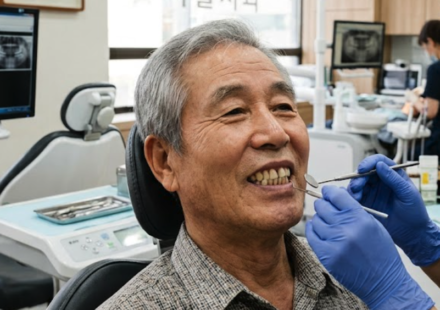
Severe bad breath removal, senile periodontitis, dry mouth, and even front teeth spacing —

Everything about aging‑related oral care explained by Director Yoonsang Kim of Maeum Periodontal Dental Clinic. As aging begins, various organs in our body gradually lose function, but changes in oral health are among the most noticeable. Receding gums, tooth sensitivity, spacing of the front teeth, and worsening bad breath are common concerns among middle‑aged and older adults. This article, based on the explanation of Director Yoonsang Kim—former director of Wonkwang University Dental Hospital—covers oral problems that appear with aging and…

The reason why carotid artery stenosis accounts for 10% of stroke causes
One reason carotid stenosis accounts for about 10% of stroke cases is that it is one of the major causes of stroke. In emergency rooms, approximately 10% of stroke patients are found to have carotid stenosis. Because the carotid arteries are the most important pathways supplying blood from the heart to the brain, any narrowing or blockage can sharply reduce cerebral blood flow. In addition, clots that form in the narrowed area can break off and travel to the brain, causing a stroke. Dr. Minjae Jung of Seoul Asan Vascular Clinic explained in an interview, “Stroke patients…”
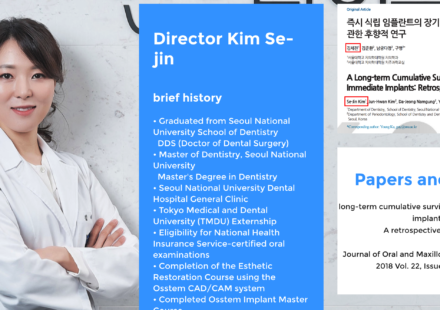
The Deep Connection Between Periodontal Disease and Systemic Health|All About Periodontal Disease
⭐ This interview was conducted with Director Sejin Kim of Gildong Life Dental Clinic. This week’s topic is periodontal disease, something many people are curious about but often struggle to find accurate information on. In particular, many still do not realize that periodontal disease is not just a gum issue but is deeply connected to systemic diseases. As we enter an aging society, periodontal disease has become a major condition that affects overall health, not merely an oral problem. Dr. Kim Sejin…
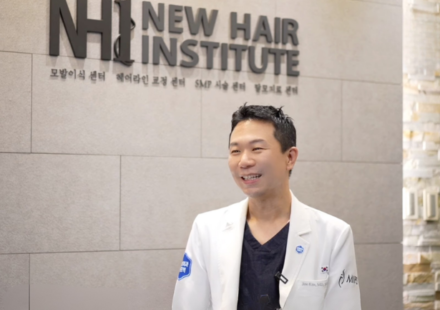
What’s the difference between strip and FUE hair transplant methods?
🟩 Interview with Director Jin‑Oh Kim of Gangnam New Hair Transplant Clinic: What’s the Difference Between Incisional and Non‑Incisional Methods? When people considering a hair transplant visit the clinic, the first questions they ask are: “What’s the difference between the incisional and non‑incisional methods?” “I heard the non‑incisional method is safer, more natural, and less painful… is that true?” These questions are not simple curiosity—they come from fear, anxiety, worry, regret, and the desire to avoid another failure, feelings only those who have undergone a hair transplant at least once can truly understand.
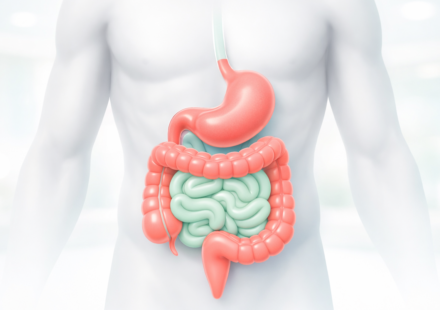
Gut Trouble Solutions: How to Restore Balance with Probiotics and Gut Microbiota
Interview with Director Song‑joo Lee of Gangnam Pureun Internal Medicine Many people suffer from various gut troubles. From post‑meal bloating, frequent diarrhea, and a tight, distended feeling in the abdomen to recurring bowel discomfort the day after drinking… These symptoms are not just simple digestive issues; they can be a sign that the balance of your gut microbiota has been disrupted. Based on an interview with Director Song‑joo Lee of Gangnam Pureun Internal Medicine, this article takes an in‑depth look at practical ways to resolve gut troubles.
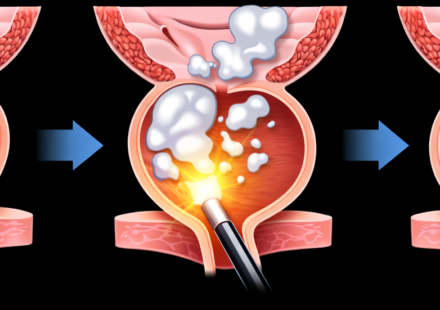
Benign Prostatic Hyperplasia, Expert Interview on Accurate Diagnosis and Treatment —
Benign Prostatic Hyperplasia (BPH) is a condition in which prostate tissue grows abnormally and increases in size. Since the prostate is located just below the bladder and surrounds the urethra, an enlarged prostate narrows the urethra and obstructs urine flow. As a result, various symptoms such as decreased urinary flow, a feeling of incomplete emptying, and nocturia may occur. We interviewed Director Jongpil Lee of LNS Urology Clinic. “Benign prostatic hyperplasia is not simply the enlargement of the prostate, but the enlarged prostate…”
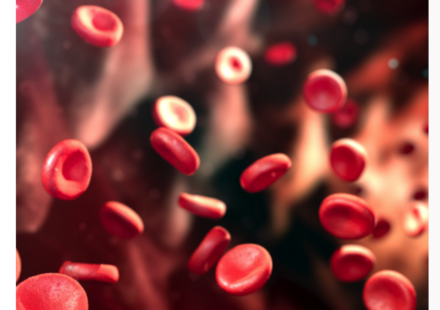
Why Vascular Access Is a Lifeline for Hemodialysis Patients
Blood health is an essential part of our overall well‑being, yet many people are unfamiliar with dialysis access, a critical component for patients undergoing hemodialysis. To deliver accurate information on this topic, we had an in‑depth conversation with Dr. Jung Min‑jae, a vascular surgeon and medical doctor at Asan Medical Center. This content is valuable not only for patients receiving hemodialysis but also for their families and caregivers. 🏥 What exactly is general surgery, and what conditions does vascular surgery treat? Dr. Jung begins by explaining the role of a surgeon…

Early diagnosis of hair loss determines the success rate of treatment.
Early‑stage hair loss can feel sudden to anyone, but in reality, it often progresses very slowly. Because the initial phase is difficult to recognize on your own, many people miss the ideal timing for treatment. To clarify the proper diagnostic criteria and management methods for early hair loss, we spoke with Dr. Kim Jin‑oh of New Hair Hair‑Transplant Clinic in Gangnam. (Dr. Kim Jin‑oh, New Hair Hair‑Transplant Clinic) ——————————————— The term “early hair loss” is actually quite ambiguous. Therefore, to accurately…
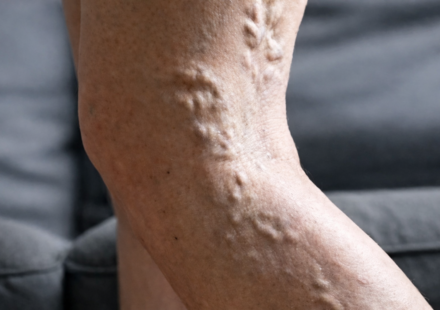
Hidden condition: varicose veins, from symptoms to treatment
I’ve been very curious about varicose veins in the legs. I actually had varicose veins myself but lived without realizing it for a long time, and only recently found out. I think there are many people like me who don’t really understand what varicose veins are. So today, we invited Dr. Jung Min‑jae of Seoul Asan Vein Clinic to hear a detailed explanation. (Dr. Jung Min‑jae, Chief Director of Seoul Asan Vein Clinic) Q. Doctor, what exactly are varicose veins? Varicose veins are a type of disease that falls under the category of chronic venous insufficiency. The cause of chronic venous insufficiency is that the blood returning toward the heart…

Korean Hair Transplant Success Rate, Cost, and Precautions — Interview with Dr. Kim Jino of New Hair Clinic
Pain after a hair‑transplant surgery is usually limited to the anesthesia process during the procedure, and once the anesthesia wears off, most patients feel only a dull, mild discomfort rather than severe pain. It may feel slightly uncomfortable, tight, or similar to pressing on a bruised area — this level of sensation is typical. Of course, pain perception varies from person to person, so some individuals who are more sensitive may report feeling more discomfort…