
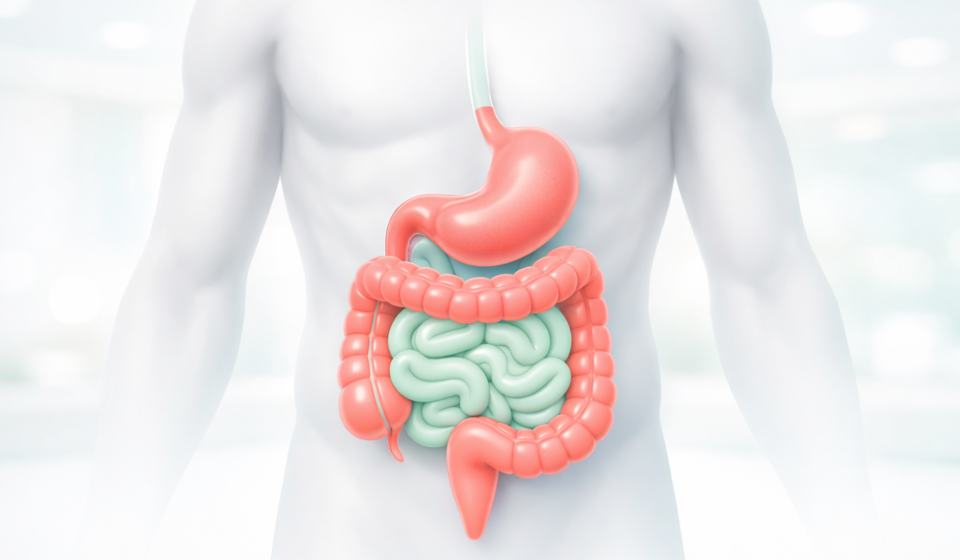

Interview with Director Dr. Songju Lee of Gangnam Pureun Internal Medicine Clinic
Many people suffer from gut issues — bloating after meals, frequent diarrhea, a swollen and tight abdomen, and recurring discomfort the day after drinking or company dinners.
These symptoms may not be just simple digestive issues, but a sign that your gut microbiota balance has been disrupted.
This article is based on an interview with Dr. Songju Lee, director of Gangnam Pureun Internal Medicine Clinic, and provides an in‑depth summary of practical ways to resolve gut troubles.
Gut health is closely connected to overall health, so I encourage you to read through this content to the end.

🌿 What Happens When Your Gut Microbiota Becomes Imbalanced?
Our gut contains both good bacteria (beneficial microbes) and bad bacteria (harmful microbes).
When this balance is disrupted, it affects not only digestion but also immunity, energy levels, and even skin health.
“The most important thing is to create an environment where good bacteria can thrive.”
Beneficial bacteria thrive on dietary fiber — the “greens” such as vegetables, fruits, and whole grains.
Harmful bacteria, on the other hand, prefer meat and greasy, high‑fat foods.
So if your usual eating habits include a lot of meat and very few vegetables,
Naturally, harmful bacteria will increase, and the overall gut environment will inevitably worsen.
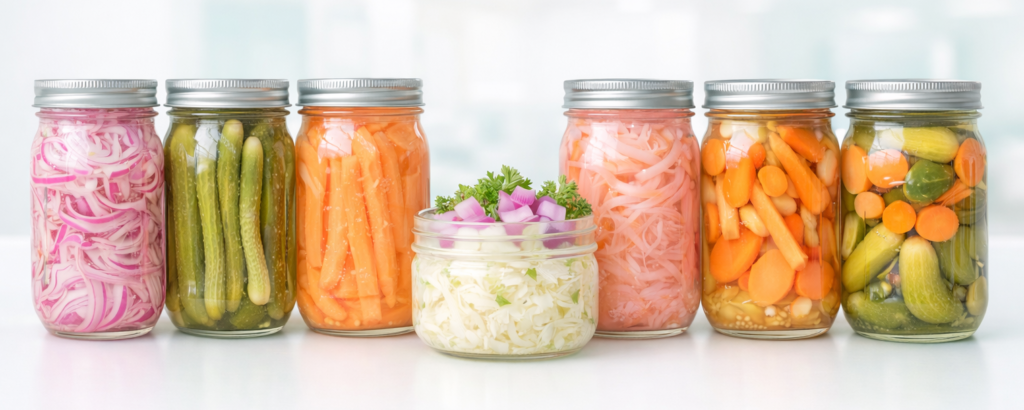
🚨 If you have these symptoms, you should suspect an increase in harmful bacteria.
- Bloating and excessive gas after meals
- Frequent diarrhea or constipation
- Feeling bloated and experiencing slow digestion
- Frequent belching and abdominal discomfort
In such cases, it may indicate a lack of beneficial bacteria and an increase in harmful bacteria.
In such cases, consistently supplementing with probiotics can be very helpful.

🍺 The Worst Habit That Kills Good Bacteria: Alcohol
“Alcohol is the fastest shortcut to killing beneficial bacteria.”
Alcohol wipes out gut bacteria as if disinfecting everything inside.
The problem is that harmful bacteria grow back faster than beneficial ones.
✔ Recommended alcohol consumption guidelines
- 1–2 times per month
- “When drinking, keep the total amount under one bottle, regardless of the type.”
Many people think of it as ‘one bottle of beer, one bottle of soju, one bottle of whiskey’ separately, but…
The total amount must be less than one bottle, regardless of the type.
Drinking alcohol frequently or in large amounts can rapidly worsen your gut environment and cause recurring digestive issues.
🤢 People whose gut becomes especially sensitive the day after drinking gatherings
Many people experience diarrhea, heartburn, and nausea so severely the day after drinking that going to work becomes difficult.
Gastroenteritis can be broadly explained in two main types.
1) Functional gastroenteritis
- Greasy food + alcohol
- Diarrhea · abdominal pain
- Symptoms improve when you don’t eat.
2) Bacterial gastroenteritis
- Eating spoiled food
- Accompanied by fever, chills, and body aches
- Diarrhea continues even without eating.
- Antibiotic treatment may be necessary.

💧 In such cases, IV fluid therapy can be helpful.
IV fluid therapy works quickly in cases of acute gastritis or enteritis.
Because it works faster than oral medication and helps recover from dehydration more quickly.
Especially the day after drinking
- Nausea / dry heaving
- Diarrhea
- Fatigue / lack of energy
- Dehydration symptoms
In such cases, IV fluid therapy can be very helpful.
✔ Why IV hydration is effective for relieving hangovers
The reason bean sprout soup is good for relieving hangovers Aspartic acid
→ This ingredient is also available as an injectable form.
That’s why it’s very effective when a hangover and digestive issues occur together.
🧪 Doctor’s advice for those who frequently experience digestive issues
- Increase daily dietary fiber intake
- Take probiotics regularly
- Limit alcohol to 1–2 times a month, less than one bottle each time
- Distinguishing functional vs. bacterial gastroenteritis based on whether symptoms worsen after eating
- Consider IV fluid therapy when dehydration, severe diarrhea, and body aches occur together
If you frequently experience digestive issues or wonder, ‘Why is my gut so sensitive?’
Professional diagnosis and consultation are necessary.
❓ F&A
1. Do I need to go to the hospital if digestive issues keep recurring?
If symptoms keep recurring or interfere with daily life, a professional evaluation is necessary.
2. Who can benefit the most from taking probiotics?
It may help people who experience post‑meal bloating, frequent gas, and recurring diarrhea or constipation.
3. Do I really need to limit drinking to just 1–2 times a month?
For gut health, that level is considered appropriate, and the rule is to keep it under one bottle regardless of the type of alcohol.
4. What should I do about food when I have gastroenteritis?
If diarrhea stops when you avoid eating, it may be functional gastroenteritis; if it continues, bacterial gastroenteritis is possible.
5. My gut feels extremely sensitive the day after drinking — can IV fluids help?
IV fluid therapy can help promote faster recovery in cases of acute gastritis, enteritis, or dehydration.
Gangnam Pureun Internal Medicine Clinic https://pureunim.com

Discover more from Korea Doctor Interview
Subscribe to get the latest posts sent to your email.

Leave a Reply
You must be logged in to post a comment.
[…] 장트러블 해결 : 유산균과 장내세균 균형을 바로잡는 방법 […]