

I’ve been very curious about varicose veins. I also had varicose veins but lived without knowing it until I recently found out. I think many people, like me, are not well aware of this condition. So today, we invited Director Minjae Jeong from Seoul Asan Vascular Clinic to hear a detailed explanation.

Director Minjae Jeong, Seoul Asan Vascular Clinic
Q. Director, what exactly are varicose veins?
Varicose veins are a type of chronic venous insufficiency.
The cause of chronic venous insufficiency is reflux that occurs in the venous circulation returning blood to the heart. Varicose veins are the conditions and forms that appear as a result of this reflux. The main risk factors include people who stand for long periods due to their job, pregnancy and childbirth, family history, and individuals who often experience leg numbness.
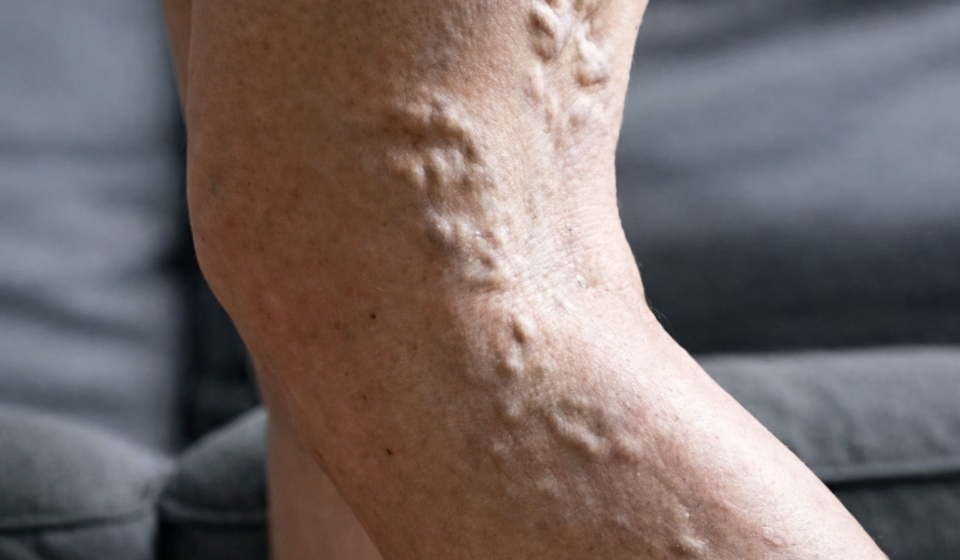
The veins in the legs may appear enlarged and twisted like earthworms, and even if the veins are not thick or bulging, you may see spider veins that look like purple thread-like vessels around the ankles, thighs, or behind the calves near the knee crease. Even if these are not visible to the naked eye, if your calves swell easily or feel numb, all of these symptoms should make you suspect varicose veins.

There are lifestyle habits and exercises that can help prevent varicose veins. Many people are already familiar with them, and young women, in particular, practice them quite often. One common stretch is leg elevation, where you place your legs against a wall and raise them above heart level after coming home from work. Another method is calf-raising exercises, which involve contracting and relaxing the calf muscles to help improve venous circulation and reduce varicose vein issues.
Many people wonder, “Do people with varicose veins always need a procedure or surgery?” Let me explain this.
There are only two indications for treating varicose veins.
The first is symptoms. Because the severity of symptoms varies greatly from person to person, those whose daily life is disturbed by these symptoms should receive treatment.
The second is cosmetic purposes. Even when the veins are protruding to the same degree, people feel very different levels of discomfort or aversion, so we decide on treatment by considering the patient’s sense of discomfort and symptoms.

Treatment for varicose veins can be divided into three categories: surgical treatment, non‑surgical treatment, and conservative treatment such as compression stockings.
Surgical treatment literally involves removing the enlarged or refluxing veins through surgery.
Non‑surgical treatment involves injecting medication or using biological adhesives inside the problematic veins to disable their function.
In addition, consistently wearing compression stockings as part of conservative treatment can also help manage varicose veins. The most important thing is early detection. Even if the symptoms are mild, do not ignore them. Once you become aware of varicose veins, they can be properly managed and treated.
I hope this interview provides a small help in managing your health.
(Seoul Asan Vascular Clinic website http://seoulasanvas.co.kr)
Discover more from Korea Doctor Interview
Subscribe to get the latest posts sent to your email.


