
● The reason why carotid artery stenosis accounts for 10% of stroke causes
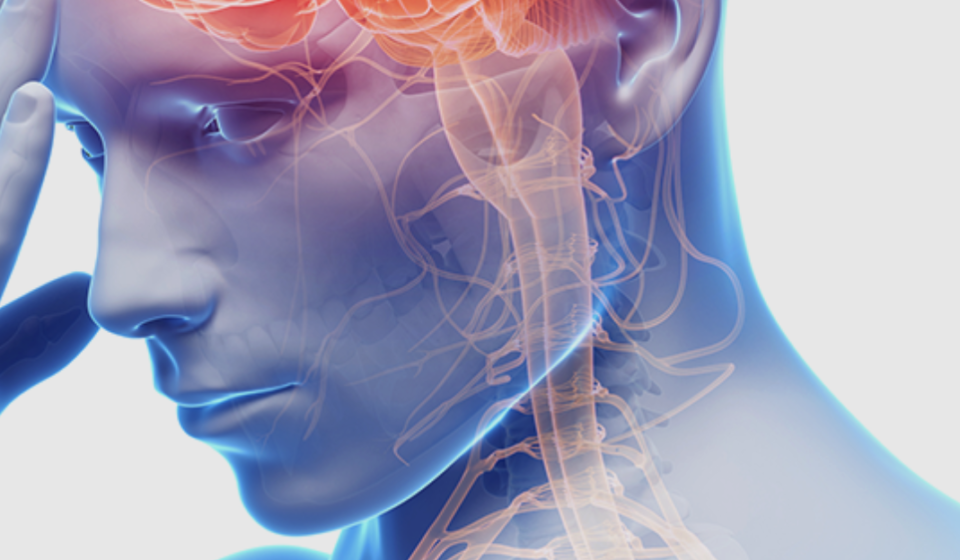
Carotid artery stenosis is one of the major causes of stroke, and in fact, when stroke patients visit the emergency room and undergo evaluation, about 10% are found to have carotid artery stenosis. Because the carotid arteries are the most important pathways that deliver blood from the heart to the brain, any narrowing or blockage in these vessels can sharply reduce cerebral blood flow. In addition, blood clots that break off from the narrowed area can travel to the brain’s blood vessels and cause a stroke.

Dr. Minjae Jeong of Seoul Asan Vascular Surgery Clinic stated in an interview that “about 10% of stroke patients are found to have carotid artery stenosis as the cause,” emphasizing the seriousness of this condition.
Because carotid artery stenosis usually has almost no symptoms, many people do not realize they are in a dangerous condition until they suddenly collapse and are brought to the emergency room.
● How carotid artery stenosis develops: Why is the carotid artery particularly vulnerable
Carotid artery stenosis is mostly caused by atherosclerosis.
Atherosclerosis is a process in which cholesterol and inflammatory cells accumulate in the vessel wall, causing the artery to gradually thicken and narrow. The carotid artery is particularly vulnerable because its structure includes many sharply bending segments where blood flow turbulence occurs easily.
This turbulence repeatedly irritates and damages the inner vessel wall, and as fats and inflammatory cells accumulate at the injured site, a plaque forms. As the plaque grows, the artery becomes narrower, and unstable plaque can easily rupture, releasing a clot that travels to the brain and blocks a cerebral artery.
In other words, carotid artery stenosis is not simply age‑related vascular change, but a disease that develops through a complex pathophysiological process: endothelial injury → inflammation → plaque formation → stenosis → thrombus formation.

● Major risk factors for carotid artery stenosis
Carotid artery stenosis develops through the combined influence of several contributing factors. The major risk factors are as follows.
- Hypertension
- Diabetes
- Hyperlipidemia
- Smoking
- Obesity
- lack of exercise / physical inactivity
- Family history
- Advanced age / Older age
The more of these risk factors a person has, the higher the likelihood of developing carotid artery stenosis. Therefore, improving lifestyle habits is essential for prevention.
● Symptoms of carotid artery stenosis: More dangerous because most cases are asymptomatic
Carotid artery stenosis is usually asymptomatic. Even when the vessel becomes more than 70% narrowed, there may still be no noticeable symptoms.
However, if symptoms do appear, they may present in the following forms.
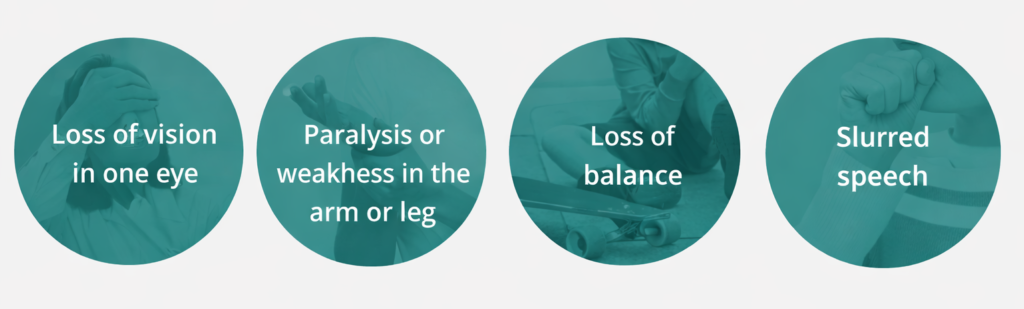
- Sudden paralysis of one arm or leg
- Slurred speech
- Sudden blurred vision or loss of vision in one eye
- Dizziness
- Momentary confusion / Brief clouding of consciousness
These symptoms may indicate a transient ischemic attack (TIA), which is considered a very dangerous warning sign often referred to as a “mini‑stroke.”
● Carotid ultrasound: How is it performed?
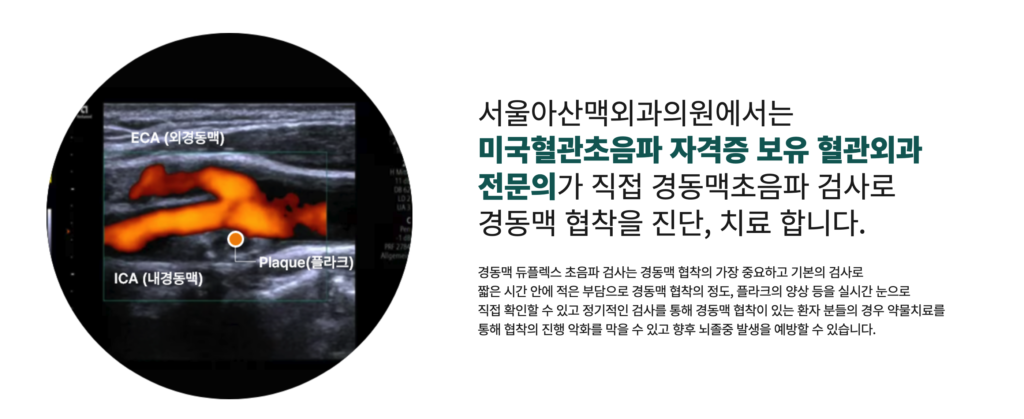
Carotid ultrasound is a fundamental and highly accurate diagnostic test.
- Examination time: about 10–15 minutes
- No pain / Painless
- No contrast agent needed / No contrast required
- No radiation exposure
- Placing the probe on both sides of the neck to check blood flow velocity, vessel thickness, and the presence of plaque.
If carotid artery stenosis is suspected or if you have risk factors, it is recommended to undergo regular examinations.
● The most important way to prevent carotid artery stenosis
Carotid artery stenosis ultimately occurs due to the progression of atherosclerosis, so lifestyle management is the most crucial factor. Preventing and managing carotid stenosis essentially means preventing stroke.
- Smoking cessation / Quit smoking
- Moderate drinking / Reduce alcohol consumption
- Healthy eating habits
- Regular exercise
- Weight management
- Stress management
- Regular carotid ultrasound examination
When necessary, treatments to slow the progression of carotid artery stenosis may be combined, including antiplatelet agents (such as aspirin), lipid‑lowering medications, and blood pressure control drugs.
● Regular screening interval for carotid stenosis: varies depending on individual condition
The treatment criteria for carotid artery stenosis vary significantly depending on whether symptoms are present.
✔ Asymptomatic carotid artery stenosis
- Stenosis ≤ 75% → can be managed with medication
- Stenosis > 75% → stroke risk increases several‑fold → consider intervention or surgery
✔ Symptomatic carotid artery stenosis
The criteria for symptoms apply if you have experienced any of the following within the past six months.
- Transient ischemic attack (TIA)
- Recovery after sudden loss of vision
- Recovery after a short episode of paralysis or speech disturbance
In this case, treatment is required if the stenosis is 50% or greater.
● Treatment for complete (100%) carotid artery occlusion
Many people think, “Isn’t it more dangerous when it’s completely blocked?” but medically, it’s a bit different.
When the carotid artery is completely (100%) occluded, no blood flows through it, which reduces the risk of debris breaking off. Therefore, instead of attempting to forcibly reopen it, the standard management is to maintain blood flow through the opposite carotid artery along with medication therapy.
● Lifestyle checklist for preventing carotid artery stenosis
- Smoking cessation / Quit smoking
- Moderate drinking / Reduce alcohol consumption
- Regular aerobic exercise
- Mediterranean diet
- Weight management
- Stress management
- Adequate sleep
- Regular carotid ultrasound examination
Seoul Asan Vascular Surgery Go to homepage

❓ FAQ (Five Frequently Asked Questions)
1. Why is carotid artery stenosis directly linked to stroke?
Because a blood clot can break off from the narrowed carotid artery and block a cerebral vessel.
2. Can carotid artery stenosis be asymptomatic?
Most cases are asymptomatic. That’s why regular carotid ultrasound screening is important.
3. Can carotid artery stenosis be managed with medication alone?
If the degree of stenosis is below the treatment threshold, it can be managed with medication.
4. How often should I have a carotid ultrasound?
For mild cases, an examination every 1–2 years is recommended, while moderate or more severe cases should be checked every 3 months.
5. How is a completely occluded carotid artery treated?
When there is 100% occlusion, we do not attempt to forcibly reopen the artery; instead, management focuses on maintaining collateral blood flow and using medication.
Discover more from Korea Doctor Interview
Subscribe to get the latest posts sent to your email.