Liposuction: Side Effects, Differences from Fat Grafting, and Key Points to Know Before Surgery

● Liposuction: Side Effects
Liposuction is a highly advanced body‑contouring procedure that requires comprehensive consideration of fat‑layer structure, skin elasticity, muscle thickness, lifestyle habits, and age.
Liposuction removes fat using negative pressure, and its purpose, instruments, and solutions are completely different from those used for fat‑grafting liposuction.
The side effects of liposuction can result from damage to the superficial fat layer, reduced skin elasticity, and failure to maintain lifestyle habits. In particular, irregularities and adhesions make revision surgery extremely difficult, so precise planning and experience are essential.
Liposuction reduces the number of fat cells, but if lifestyle habits are not maintained after surgery, the remaining fat cells can enlarge and alter the body shape again. Liposuction provides the best results for individuals who can be accurately evaluated for skin elasticity, age, muscle mass, and fat‑layer thickness, and who can follow thorough postoperative care.
■ Liposuction — Don’t get it before you know this
We interviewed Director Seol Il‑beom of Marvel Plastic Surgery about everything related to liposuction.
Liposuction is not simply a “fat‑removal surgery,” but a highly advanced body‑contouring procedure that requires comprehensive evaluation of fat‑layer structure, skin elasticity, muscle thickness, lifestyle habits, and age.
Therefore, for anyone considering liposuction, this article is designed to help you clearly understand every aspect — from how liposuction works, how it differs from fat grafting, possible side effects, why revision surgery is difficult, to essential postoperative care.

■ What is Liposuction
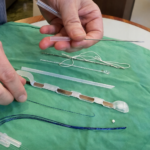
Liposuction is, quite literally, a procedure that removes fat by suction.
Fat can be cut out, melted, or mechanically removed, but liposuction specifically refers to removing fat by suction using specialized instruments.
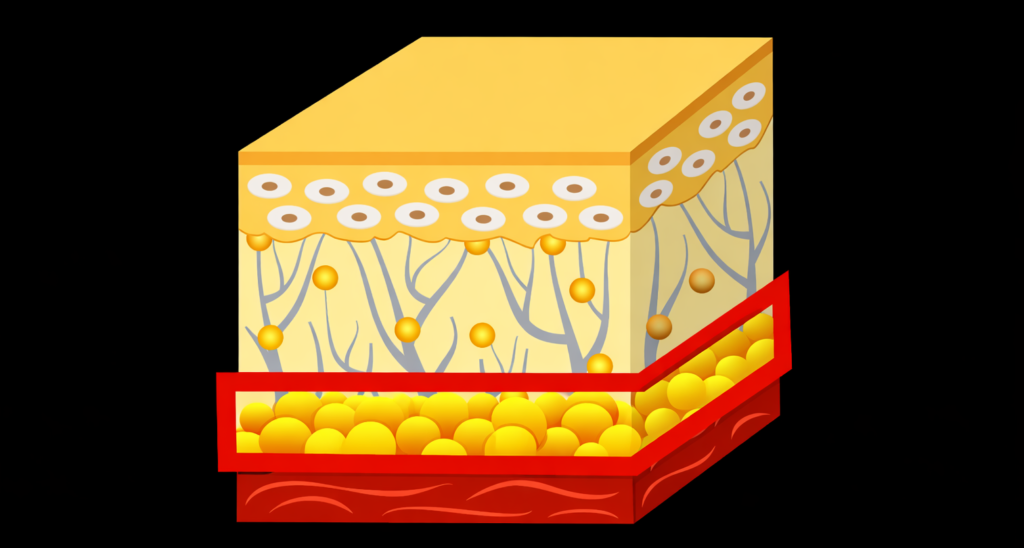
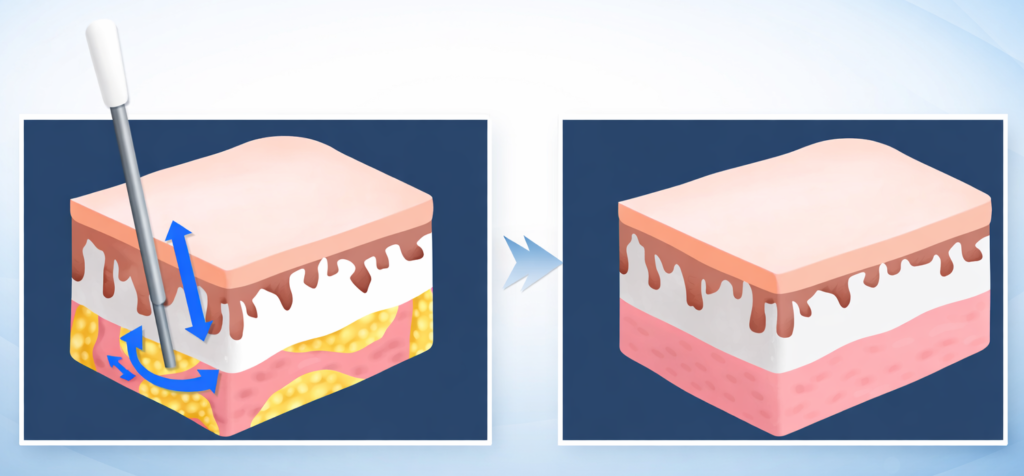
Our skin is composed of multiple layers, and the core of liposuction is removing the fat layer located between the skin and the muscles through suction.
To remove fat, a special solution (tumescent solution) is first injected to swell the fat, create space, and promote hemostasis, after which the fat is suctioned out.
This process is the foundation of liposuction and the most crucial preparation step.
■ Liposuction and fat grafting are completely different.
Many people say, “Since I'm getting liposuction, please do fat grafting as well,” but…
Liposuction for body contouring and liposuction for fat grafting are completely different in both purpose and technique.
● Purpose of Liposuction
- Removal of the maximum possible amount of fat
- Refining body contours
- Reduction in the actual number of fat cells
- Use of various devices such as vacuum-assisted machines, lasers, ultrasound, and power-assisted tools
In other words, the focus is on removing as much fat as possible.
● Purpose of Liposuction for Fat Grafting
- Minimizing damage to fat cells
- Harvesting fat with a high survival rate
- Minimizing the use of machines
- Mostly extracted manually by hand
For example, if you are doing a buttock fat graft, all that large amount of fat has to be harvested manually by hand.
Because using machines can damage the fat cells.
■ The Most Important Factors in Liposuction
Liposuction is never as simple as thinking, “The circumference is the same, so removing the same amount should be fine.”
Because the thickness of the muscles, fat layer, and skin are all different.
It’s easier to understand if you imagine a cross‑section of a tree. Even if two pieces of wood have the same thickness, the amount inside differs depending on the thickness of the bark.
Because the muscle mass and fat‑layer thickness of the arms, thighs, and abdomen all differ, the amount of fat that needs to be removed can vary completely even if the circumference is the same.
Therefore, in liposuction,
- Checking muscle mass
- Checking the thickness of the fat layer
- Checking skin elasticity
- Setting the target line
These four elements are essential.
■ Why Complications Occur in Liposuction
The most common side effect of liposuction is unevenness (asymmetry).
If this complication occurs, revision surgery becomes very difficult.
The reason is that the fat layer is divided into a superficial layer and a deep layer.
Liposuction must be performed only in the deep fat layer. If the superficial layer is touched,
- the muscle lines become visible and
- the skin becomes uneven and
- because the surface can become indented or lifted.
Also, if post‑liposuction care is not done properly, the fat layer remaining just beneath the skin can enlarge again, and
the skin can stretch and appear uneven.
■ Age and skin elasticity determine the results of liposuction
Liposuction is a procedure that removes fat, but
the results vary depending on how well the skin contracts.
- If the skin has good elasticity → it adheres well even when fat is reduced
- If skin elasticity decreases → excess skin remains and sagging occurs
- Post‑pregnancy abdomen with many stretch marks → almost no skin contraction
Therefore, as we age, proper skin‑elasticity care and skin‑condition assessment become essential for successful liposuction results.
■ Why Post‑Liposuction Care Is Important
Liposuction is a procedure that reduces the number of fat cells, but
If lifestyle habits remain the same, the remaining fat cells will enlarge and weight will return.
Especially
- binge eating
- late‑night snack
- excessive drinking / heavy drinking
- lack of exercise / physical inactivity
When these habits are repeated
As the shallow fat layer beneath the skin enlarges, the skin stretches and appears uneven or lumpy.
Therefore, liposuction
Director Seo Il‑beom emphasizes that liposuction is a procedure “only for those who are willing to maintain proper care.”
Marvel Plastic Surgery Clinic website https://marbleps.com/

■ FnA (Frequently Asked Questions / Answers)
● Does fat come back after liposuction
Because liposuction reduces the number of fat cells, it is rare for the same area to gain fat the way it did before.
However, if lifestyle habits are poor, the remaining fat cells can enlarge, making it look as though weight has been regained.
● Why are the methods for liposuction and fat grafting different
The goal of liposuction is to remove as much fat as possible, and
Fat grafting aims to harvest fat cells with as little damage as possible, so
the instruments, solutions, and suction techniques are all different.
● What causes unevenness after liposuction
if the shallow fat layer was disrupted, if the skin lacks elasticity, or
because inadequate postoperative care can cause the fat layer just beneath the skin to enlarge.
● Does the effectiveness of liposuction decrease with age
As skin elasticity decreases, the skin cannot contract properly after liposuction, and
there is a higher likelihood of sagging, wrinkling, or unevenness.
● What is the most important care after liposuction
Wearing compression garments, improving lifestyle habits, maintaining weight, and exercising regularly are essential.
Liposuction delivers the best results for those who are committed to maintaining their body.
Discover more from Korea Doctor Interview
Subscribe to get the latest posts sent to your email.