
Rhinitis Surgery: Should You Choose a Plastic Surgery Clinic or an ENT Clinic? A Complete Guide to the Differences in Septal Deviation Surgery

Rhinitis often causes severe nasal congestion and difficulty breathing, leading many people to consider surgery. However, during consultations, questions such as “Should rhinitis surgery be performed by an ENT specialist?” and “Can surgery for a deviated nasal septum also be performed by a plastic surgeon?” are very common.
In conclusion, the most appropriate specialty can vary depending on the cause of rhinitis and the purpose of the surgery. In particular, allergic rhinitis and deviated nasal septum (septal deviation) are completely different conditions, so it is important to understand the difference accurately.
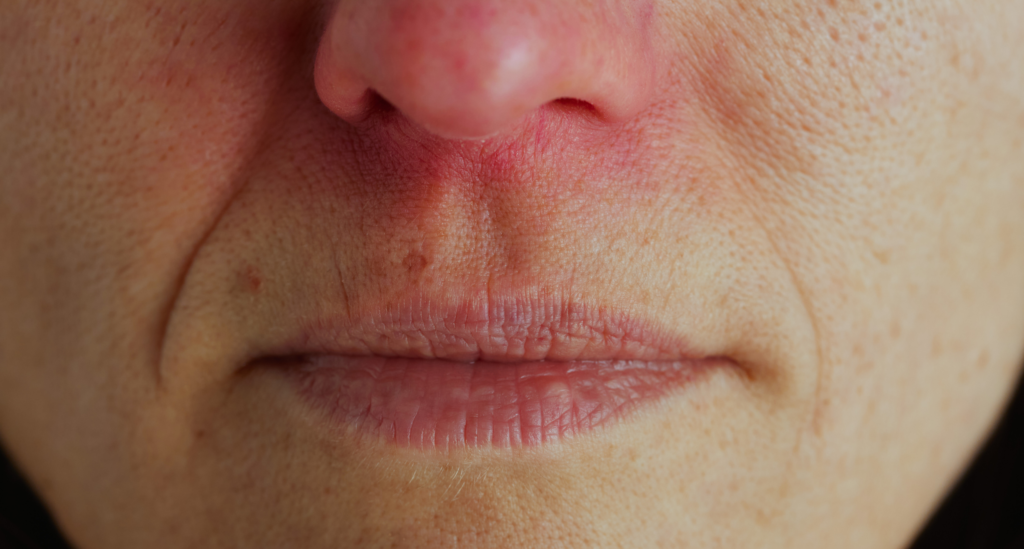
Not all types of rhinitis are the same.
Many people think of rhinitis as a single condition, but in reality, it can have a variety of different causes.
Not all cases of rhinitis require surgery.
Typical causes include the following.
- Allergic rhinitis
- Chronic rhinitis
- Deviated nasal septum (Septal deviation)
- Inferior turbinate hypertrophy
- Chronic sinusitis
- Structural nasal obstruction
Especially, when people commonly say they have “rhinitis,” it is often allergic rhinitis in many cases.
Allergic rhinitis occurs when the nasal mucosa becomes overly sensitive and reacts excessively to external stimuli. Typical symptoms include a runny nose, sneezing, and nasal congestion, and in many cases, symptoms can improve significantly with medication and lifestyle modifications alone.
In such cases, treatment by an ENT (Otorhinolaryngology) specialist is generally the first option.
Causes of Rhinitis Commonly Considered Important in Plastic Surgery
The issue that is considered particularly important in the field of plastic surgery is: Deviated nasal septum (Septal deviation)is.
The nasal septum is the structure that acts as a partition, dividing the inside of the nose into the left and right sides.
Normally, the nasal septum should be positioned in the center, but if it becomes bent or deviated for any reason, it can cause one side of the nose to become blocked or make breathing uncomfortable.
Deviated nasal septum can generally be divided into two main causes.
- Nasal bone deviation
- Septal cartilage deviation
In such cases, the problem often cannot be resolved with simple rhinitis treatment alone, and surgical correction may be necessary.

Why Does Septal Deviation Recur After Surgery?
Septal deviation surgery can sometimes be followed by a return of nasal obstruction symptoms.
This is often caused not by the surgeon’s skill, but rather by differences in the surgical technique used.
The nasal septum is a cartilaginous structure.
Surgery that involves making incisions in part of the deviated cartilage or relieving its tension may initially appear to have straightened the septum.
However, because cartilage has a natural tendency to return to its original shape, there is a possibility that it may gradually become curved again over time.
Therefore, whether the condition recurs depends not simply on which medical specialty performed the surgery, but rather on how the cartilage was corrected, which is a key factor.
Difference Between Open and Closed Surgery
There are two main methods for correcting a deviated nasal septum.
Closed Surgery
It uses only incisions inside the nose.
Advantages
- No external scar
- Recovers relatively quickly.
- Less extensive surgical range
Disadvantages
- Limited surgical visibility
- May have limitations in correcting severe septal deviation
- Possibility of recurrence in some patients
Open Surgery
This approach involves making an incision in the columella (the tissue between the nostrils) and directly visualizing the nasal structures during the procedure.
Advantages
- Allows precise visualization of the nasal structures
- Precise correction of cartilage and bone is possible
- Can perform both functional and cosmetic surgery simultaneously
Disadvantages
- Larger surgical scope
- Recovery period may be longer
- May affect the shape of the nose

Why Inferior Turbinate Hypertrophy Should Also Be Corrected
Correcting the nasal septum alone does not resolve all cases of nasal obstruction.
There is a structure inside the nose called the turbinate.
The role of the turbinates is to humidify and filter the air we breathe.
When the nasal septum remains deviated to one side for a long time, the turbinate on the wider side often enlarges as a compensatory response.
If only the nasal septum is corrected in this situation, the enlarged turbinate may still occupy space inside the nasal cavity, causing nasal obstruction to persist.
Therefore, inferior turbinate reduction surgery is often performed together with septal correction surgery.
Difference Between Radiofrequency Rhinitis Surgery and Osteotomy
There are various treatment methods for inferior turbinate hypertrophy.
Radiofrequency treatment is one of the most commonly used methods.
Radiofrequency treatment works by shrinking the mucosal tissue, thereby reducing the size of the turbinate.
One advantage is that the procedure is relatively simple and recovery is usually fast. However, there is a possibility that the tissue may enlarge again over time.
On the other hand, surgery that corrects the underlying bony structure of the turbinate is considered a more aggressive treatment approach.
Because this approach improves the underlying structure rather than simply reducing the mucosal tissue, it may provide more long-term benefits.
Which Is Better for Rhinitis Surgery: Plastic Surgery or ENT?
The answer depends not on the medical specialty itself, but on the experience and expertise of the surgeon in charge.
Areas Where ENT (Otorhinolaryngology) Has Strengths
- Allergic rhinitis
- Chronic rhinitis
- Sinusitis
- Improvement of functional breathing
- Medical treatment and non-surgical management
Areas Where Plastic Surgery Has Strengths
- Septoplasty (Correction of a Deviated Nasal Septum)
- Traumatic Nasal Deformity
- Nasal Bone Correction
- Surgery That Considers Both Function and Aesthetics
- When Improvement of the Nose Shape Is Needed
Recently, many ENT specialists perform both functional and cosmetic nasal surgeries, while many plastic surgeons also specialize in functional nasal surgery.
Therefore, rather than making a decision based solely on the name of the medical specialty, it is important to determine how much experience and expertise the physician has in septoplasty and functional nasal surgery.
Important Things to Check Before Undergoing Rhinitis Surgery
Not everyone with rhinitis symptoms is a candidate for surgery.
If you are considering surgery, you should first check the following points.
- Whether it is allergic rhinitis
- Whether a deviated nasal septum is present
- Whether inferior turbinate hypertrophy is also present
- Whether the cause of nasal obstruction is a structural problem
- Whether you also want cosmetic improvement
This is because the treatment approach can vary completely depending on the underlying cause.
Rhinitis surgery cannot simply be approached as a question of whether a plastic surgery clinic or an ENT clinic is better. For mucosal conditions such as allergic rhinitis, the role of ENT specialists is particularly important. On the other hand, structural problems such as a deviated nasal septum or nasal bone deformity may require consideration of both functional correction and cosmetic correction.
Most importantly, what matters is not the medical specialty itself, but finding a physician with accurate diagnostic skills and extensive surgical experience. Identifying the exact cause of your nasal obstruction before deciding on a treatment method is often the best approach.
Discover more from Korea Doctor Interview
Subscribe to get the latest posts sent to your email.