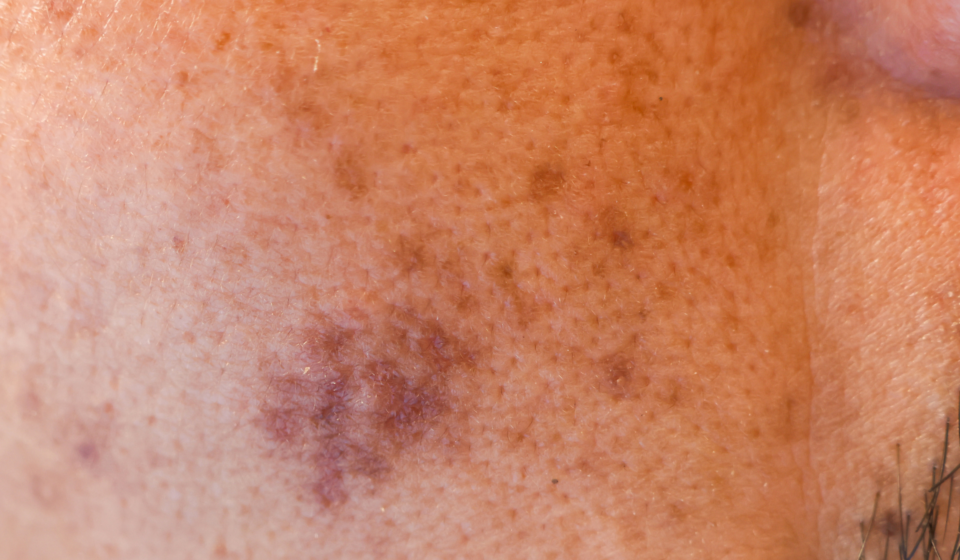
Could Suddenly Developing More Age Spots Be a Sign of Cancer? Causes and Symptoms of the Leser-Trélat Syndrome

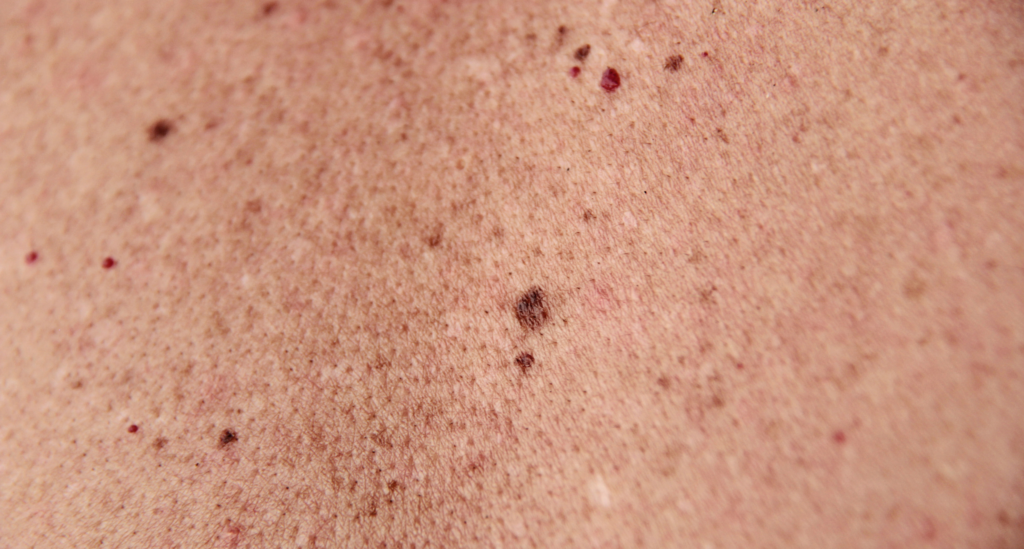
There are some skin changes that can appear suddenly, even in younger people.
In particular, if skin lesions that usually occur in older adults suddenly appear in large numbers over a short period of time,
it is important to find out the cause.
This is because certain skin changes can, in rare cases, be a sign associated with an underlying malignant tumor in the body.
Our bodies can develop various types of skin moles and pigmented lesions.
Some of these may be related to skin cancer,
Certain types of skin lesions can sometimes appear as a sign of an internal cancer.
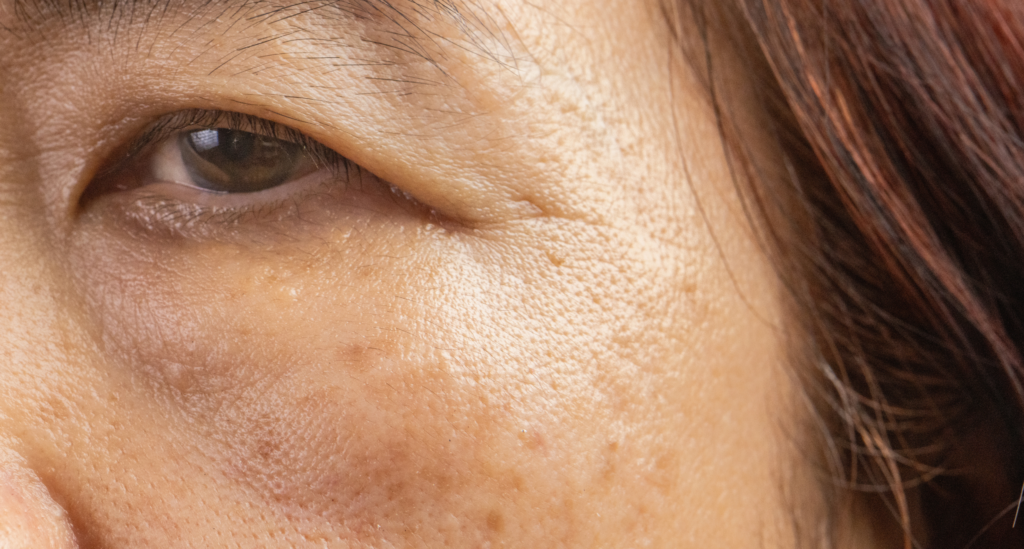
One such phenomenon is The Leser-Trélat Sign (Leser-Trélat Syndrome)is.
To understand the Leser-Trélat sign, it is first necessary to understand the difference between age spots and seborrheic keratoses, which commonly appear with aging.
Seborrheic keratosis is medically classified as a type of benign skin tumor.
It commonly occurs with aging,
The surface of these lesions is often uneven and rough, and they commonly appear brown or black in color.
The lesions have well-defined borders and a raised surface, so they are sometimes mistaken for warts. However, they are a different type of skin lesion from warts.
In contrast, solar lentigines are skin lesions that are generally flat and have relatively uniform pigmentation.
Unlike solar lentigines, seborrheic keratoses may have a thick, rough surface and an irregular appearance.
These skin lesions may also be found on the face, scalp, and other areas of the body.
Because seborrheic keratosis is found much more commonly in older adults than in younger people,
It is often considered one of the skin changes associated with aging. Although ultraviolet (UV) exposure and genetic factors may be related, the exact cause has not been fully established.
The exact cause of its development has not yet been fully understood.
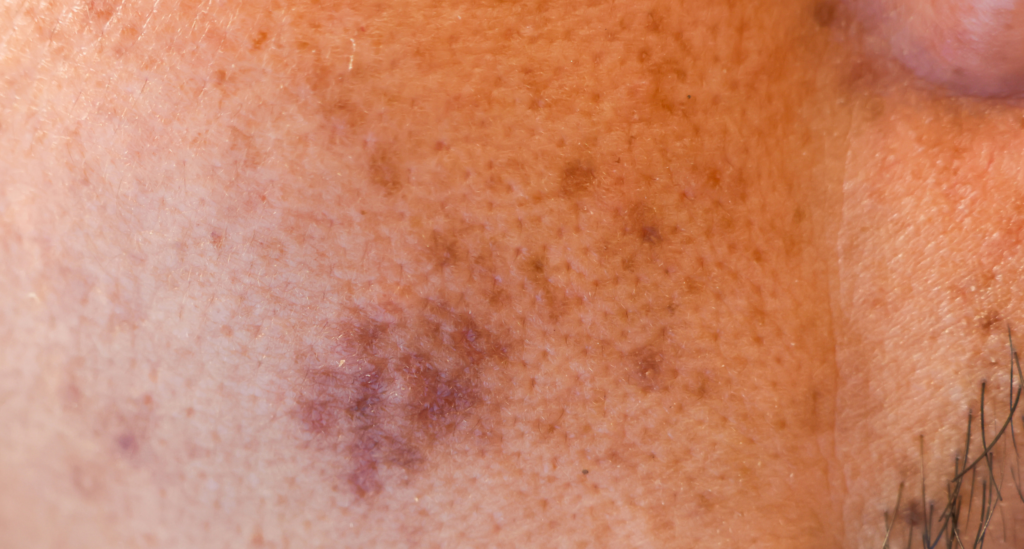
What if multiple seborrheic keratoses appear suddenly over a short period of time?
A rapid increase in seborrheic keratoses over a short period of time, or the sudden appearance of multiple lesions at the same time, is
This phenomenon is called the Leser-Trélat sign.
This sign can appear on various parts of the body, including the upper body such as the back, and may sometimes be accompanied by itching.
The Leser-Trélat sign is a phenomenon that was first described in the late 19th century.
Since then, an association between the sudden increase of seborrheic keratoses and internal malignant tumors has been reported.
In particular, cases associated with gastrointestinal cancers such as stomach cancer, colon cancer, and rectal cancer have been reported,
An association has also been reported with other malignant tumors, including lymphoproliferative neoplasms.
Cancer cells can release various biological substances,
These substances can sometimes affect other tissues in the body, including the skin.
Various physical symptoms and skin changes associated with cancer can be explained within the category of paraneoplastic syndromes.
The Leser-Trélat sign has also been studied in this context.
However, whether this sign is a highly reliable indicator that can accurately predict cancer remains a subject of debate.
Because seborrheic keratosis itself is very common with aging,
It should also be considered that the skin lesions and cancer may have appeared at the same time purely by coincidence.
Therefore, a sudden increase in seborrheic keratoses does not necessarily mean that cancer is present.
However, if skin lesions develop in an unusually large number over a short period of time or change rapidly,
It is advisable not to dismiss such changes lightly and to have them evaluated by a healthcare professional.
In particular, when sudden skin changes occur, it is advisable to consult a dermatologist to evaluate the characteristics of the lesions.
Whether additional tests are needed should be determined by considering a person's age, overall health condition, accompanying symptoms, and individual risk factors.
Cancer screening is also important to perform according to an individual's age and risk factors.
However, although the Leser-Trélat sign does not necessarily mean that cancer is present,
However, sudden and unusual changes in the skin should not be ignored.
Paying close attention to changes in your skin and seeking medical evaluation when necessary can help protect your health.
Discover more from Korea Doctor Interview
Subscribe to get the latest posts sent to your email.