
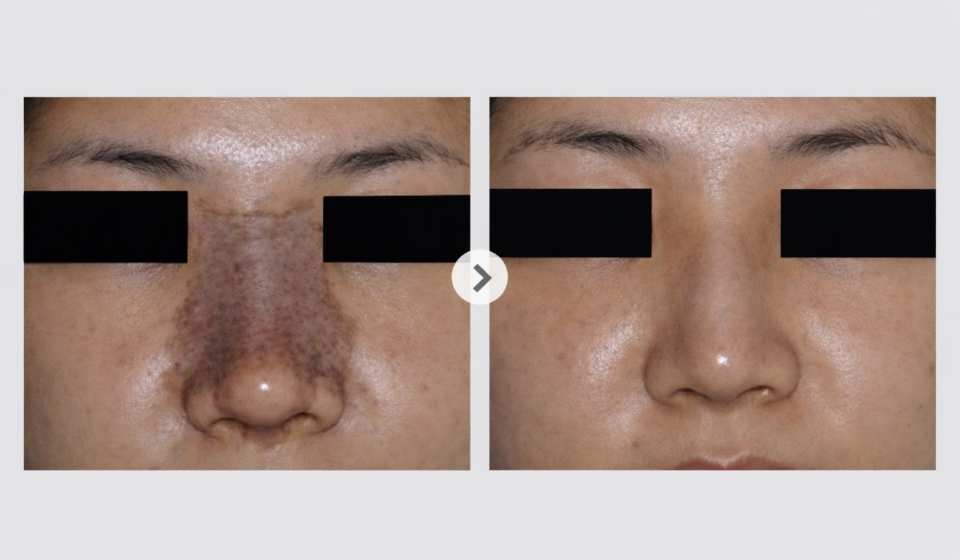

Today, we interviewed Dr. Hwang Gyuseok from Homme & Femme Plastic Surgery, a specialist in rhinoplasty, to answer one of the most common questions people have before nose surgery: “When do bruising and swelling go away after rhinoplasty?” Since the recovery process after nose surgery is something patients are very sensitive about, it is extremely important to have accurate information regarding bruising, swelling, cold and warm compresses, exercise, and diet.

(Dr. Hwang Gyuseok, Homme & Femme Plastic Surgery)
The most frequently asked question in post‑rhinoplasty care is, “How long should I do cold compresses, and when should I start warm compresses.”
“Right after surgery, cold compresses are helpful because the blood vessels are dilated. In contrast, warm compresses are effective once the wound has stabilized and help remove the remaining bruising. So, immediately after rhinoplasty, use cold compresses, and after 3–4 days, switch to warm compresses.”
👉 초기 붓기·열감 →냉찜질 👉 남은 멍 제거 → 온찜질
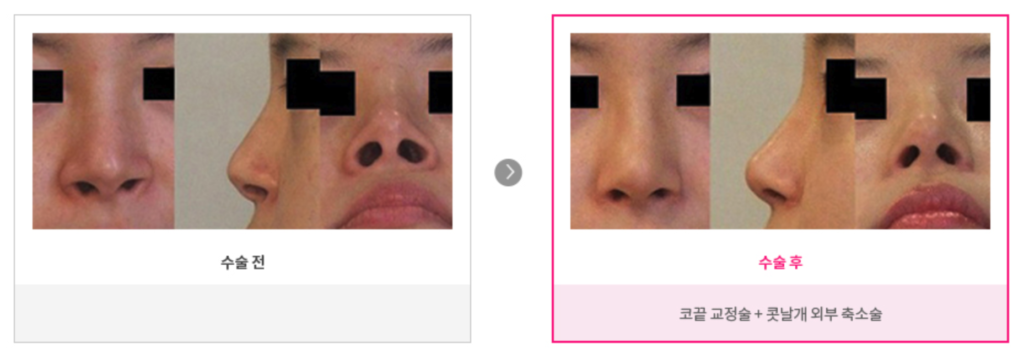
“There are many reports of people exercising to reduce swelling after rhinoplasty. However, not all types of exercise are beneficial.”
“Light exercise can be helpful. But you can’t do intense workouts when you’re still in pain after surgery. Strenuous exercise increases heart rate and blood pressure, which raises the risk of bleeding, so you should never do it. On the other hand, light walking is good for recovery and helps your body feel better. So think of it this way: light exercise is OK, intense exercise is NO.”
Many people drink pumpkin juice, herbal medicine, or teas believed to help reduce swelling after rhinoplasty. Pumpkin juice has a diuretic effect, so it can help reduce swelling. However, too much of anything is not good. Pumpkin juice also contains sugar, and when blood sugar rises, inflammation can occur more easily. This is also why patients with diabetes tend to develop inflammation more often. So avoid products that are too sweet. Warm tea or a moderate amount of pumpkin juice can be helpful, but excessive consumption is not recommended.
👉 Moderate pumpkin juice is OK, 👉 Products high in sugar or excessive intake are NO
Swelling after rhinoplasty decreases in a consistent pattern, and Director Hwang answered based on his real clinical experience.
“From the day of surgery to one week, about 70–80% of the swelling goes down, after two weeks another 10–20% decreases, and the remaining 5–10% gradually subsides between two weeks and one month. That’s why the first week after rhinoplasty is extremely important.”
✔ 1 week → most swelling reduced ✔ 2 weeks → almost stabilized ✔ 1 month → natural line completed
The first week is important because during this period the torn blood vessels reconnect, the tissues recover, and various biological reactions occur in the body. Therefore, avoiding alcohol and smoking, getting enough sleep, minimizing stress, and maintaining immunity are essential. “What is more important than medicine is your body’s own immunity. Eating well, sleeping well, and staying mentally relaxed help the wound heal the most.”
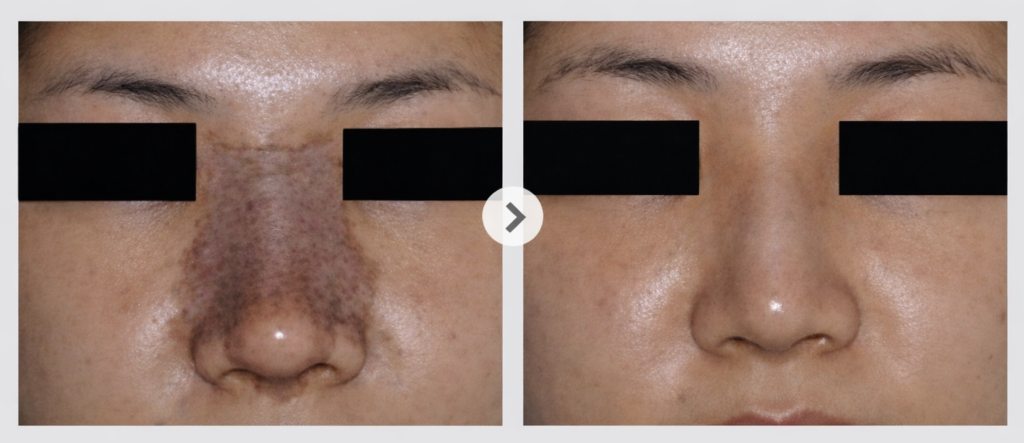
(Hyaluronidase used – Post‑op Day 1 / Day 5 images)
One of the differences that sets Homme & Femme Plastic Surgery apart from other clinics is that they actively use the bruise‑ and swelling‑reducing injection hyaluronidase.
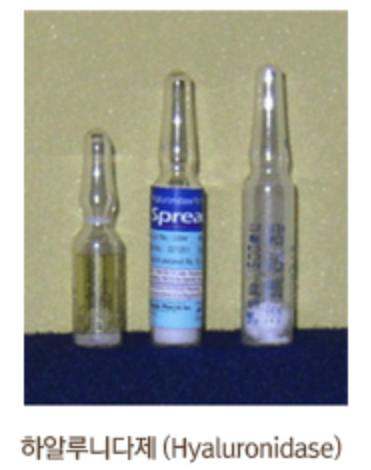
This injection is a special treatment that quickly reduces bruising and swelling. It is mixed with medication during surgery, administered once the next day, and once more when removing stitches, and with this, most swelling subsides within 1–2 weeks. Many clinics avoid using it due to cost, but we actively use it for our patients’ recovery, allowing them to heal with almost no bruising or swelling within a week.
Rhinoplasty is not only about the surgery itself; postoperative care and the recovery process are what ultimately determine the final result.
❓ FAQ — Frequently Asked Questions After Rhinoplasty
Q1. When does swelling completely go down after rhinoplasty?
A. About 70–80% of the swelling goes down within the first week, over 90% by two weeks, and the remaining minor swelling naturally disappears within one month.
Q2. When should I start cold and warm compresses after rhinoplasty?
A. Cold compresses are effective for the first 3 days after surgery, and warm compresses are helpful starting from days 3–4.
Q3. Does exercising help swelling go down faster?
A. Light walking can be helpful, but intense exercise is prohibited due to the risk of bleeding.
Q4. Does pumpkin juice really help reduce swelling?
A. Its diuretic effect can help reduce swelling, but products high in sugar may increase inflammation, so excessive intake should be avoided.
Q5. Is the hyaluronidase injection for reducing bruising and swelling safe?
A. It is safe when used appropriately by a specialist and significantly enhances the recovery speed.
Discover more from Korea Doctor Interview
Subscribe to get the latest posts sent to your email.


Leave a Reply
You must be logged in to post a comment.
-
-
-
-
-
-
-
-
-
-
-
-
Show Comments[…] 코성형 후 멍.붓기는 언제 빠질까? […]
[…] 코성형 후 멍.붓기는 언제 빠질까? […]
[…] 코성형 후 멍.붓기는 언제 빠질까? […]
[…] 코성형 후 멍.붓기는 언제 빠질까? 投稿者 […]
[…] 코성형 후 멍.붓기는 언제 빠질까? […]
[…] 코성형 후 멍.붓기는 언제 빠질까? Author […]
[…] 코성형 후 멍.붓기는 언제 빠질까? […]
[…] 코성형 후 멍.붓기는 언제 빠질까? […]
[…] 코성형 후 멍.붓기는 언제 빠질까? […]
[…] 코성형 후 멍.붓기는 언제 빠질까? […]
[…] 코성형 후 멍.붓기는 언제 빠질까? […]
[…] 코성형 후 멍.붓기는 언제 빠질까? […]