
Cheekbone Reduction Surgery Recovery Guide: From Swelling Reduction to Complete Bone Healing

One of the most common concerns among people considering cheekbone reduction surgery is the recovery period. Since the procedure involves cutting or repositioning the cheekbones, many patients worry about how long swelling will last, how long it takes for the bones to fully heal, and when they will be able to return to work and normal daily activities.
To understand the recovery process after cheekbone reduction surgery, It is important to understand that bone healing and the reduction of swelling in the surrounding soft tissues are two separate recovery processes after cheekbone reduction surgery.
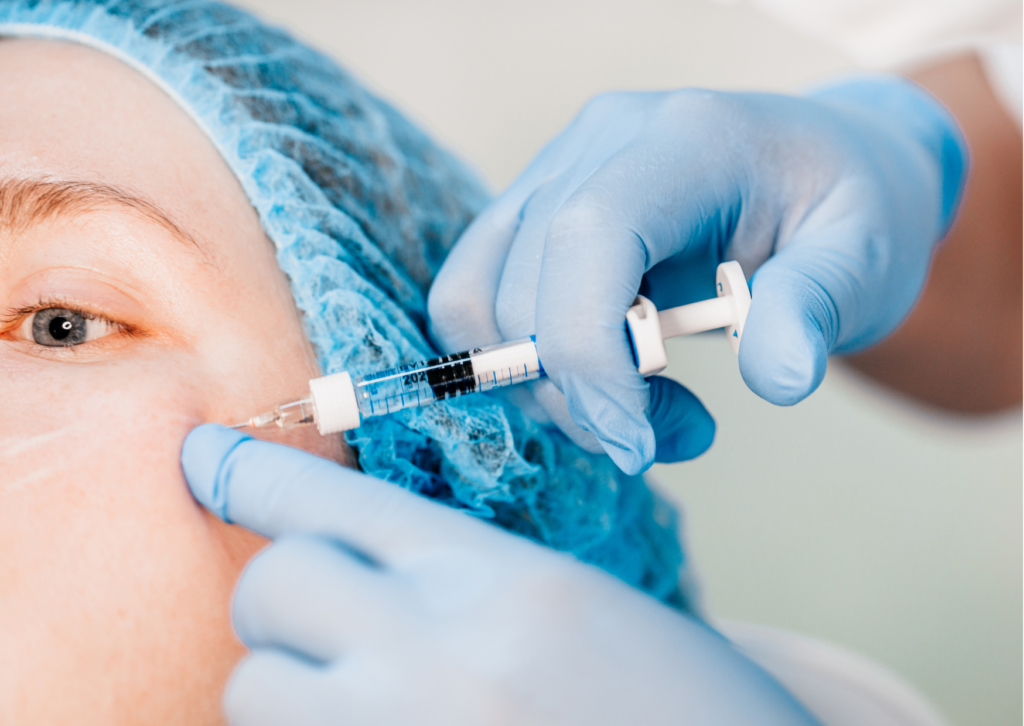
How Long Does Recovery Take After Cheekbone Reduction Surgery?
Recovery after cheekbone reduction surgery can generally be divided into two processes: the healing of the bone itself and the recovery of the surrounding soft tissues, such as the skin and muscles.
During cheekbone reduction surgery, the cheekbone is cut and repositioned, and depending on the surgical technique, fixation devices may be used to stabilize the bone. Afterward, time is required for the bone to heal and become fully stabilized.
Bone healing takes considerably longer than the visible swelling to subside. A substantial level of bone recovery may require at least 12 weeks or longer, and the actual recovery period can vary depending on the surgical technique used and the individual's healing process.
Even if facial swelling has decreased and you have returned to your normal daily activities, your bones may still be healing. Therefore, exercise, activities that place pressure on the face, or activities that carry a risk of impact should be avoided until your surgeon confirms that they are safe.
Why Does Swelling Occur After Cheekbone Reduction Surgery?
Cheekbone reduction surgery affects not only the bone itself but also the periosteum surrounding the bone, the muscles, and other soft tissues.
Because these tissues are affected during the surgical procedure, swelling may occur as part of the healing process. Over time, the surrounding soft tissues recover and gradually adapt to their new position.
The bone itself does not visibly swell, but significant swelling can occur in the soft tissues surrounding it. As a result, even though the cheekbone has been reduced in size, the face may still appear wide or swollen immediately after surgery.
As the swelling gradually subsides over time, you will be able to see the changes in your facial contour more clearly.

Changes in Swelling After Cheekbone Reduction Surgery: Recovery Process by Stage
1-3 Days After Surgery
Swelling may sometimes become more pronounced on the second or third day after surgery than it is immediately after the procedure.
This is a common response that can occur after surgery, but the degree of swelling varies from person to person. Measures such as keeping the head elevated, applying cold compresses, and taking prescribed medications should be managed according to your surgeon's instructions.
About 1 Week After Surgery
About one week after surgery, the initial swelling may begin to decrease noticeably. This is also the stage when everyday activities generally start to become more comfortable.
However, some swelling and bruising may still remain, and the final facial contour has not yet fully developed. For people with jobs that involve minimal physical activity, such as office work, returning to work may be possible around one week after surgery depending on the recovery process. However, this can vary based on individual healing progress and the specific work environment.
About 2 Weeks After Surgery
About two weeks is often considered a reasonable recovery period when planning a return to work or social activities. Many patients notice a significant reduction in facial swelling during this stage.
However, residual swelling may persist even after two weeks. If the swelling is significant or if your job involves substantial physical activity, a longer recovery period may be necessary.
About 3 Months After Surgery
The process of bone healing and stabilization takes longer than the reduction of initial swelling. A substantial level of bone recovery may require approximately 12 weeks or longer.
However, this does not mean that every patient must restrict their daily activities for three full months. The appropriate timing for resuming exercise, strenuous physical activities, or activities that may involve impact to the face should be determined based on your surgeon's assessment and recommendations.
Even after the major swelling has subsided, your facial contours may continue to change gradually as the remaining residual swelling decreases over time.
Can You Return to Work One Week After Cheekbone Reduction Surgery?
For individuals with office-based jobs or occupations that involve minimal physical activity, returning to work about one week after cheekbone reduction surgery may be possible if recovery is progressing well.
However, there is no single timeline for returning to work that applies to everyone. Factors such as the degree of swelling and bruising, pain levels, the extent of the surgery, and the nature of the job should all be considered when determining the appropriate time to return.
For people whose jobs involve frequent face-to-face interactions, it may be more comfortable to allow at least two weeks or longer for recovery so that visible swelling has more time to subside. If your job involves significant physical activity, you should avoid returning too soon and consult your surgeon before resuming work.
It is important to remember that even if your facial appearance begins to look better, it does not necessarily mean that the underlying bone has fully healed.

Why Does the Face Look Smaller Even When Some Swelling Remains?
Cheekbone reduction surgery is designed to reduce the prominence or width of the cheekbones. Therefore, once the position or shape of the cheekbone has been changed, the face may appear narrower than before even if some swelling is still present.
The effects of cheekbone reduction surgery do not appear only after all swelling has completely disappeared. However, the facial appearance during the early recovery period should not be considered the final result.
Facial contours may continue to change over time as swelling subsides, soft tissues recover, and the surrounding tissues gradually adapt to their new positions.
How to Ensure a Safe Recovery After Cheekbone Reduction Surgery
The following precautions are important for a safe recovery after cheekbone reduction surgery.
- Follow the post-operative care instructions provided by your surgeon.
- Regular follow-up examinations are important to monitor bone healing and assess whether any facial asymmetry is present.
- Avoid strenuous exercise or activities that may cause impact to the face until your surgeon approves them.
- Take all prescribed medications according to your surgeon's instructions, and do not change your treatment plan on your own.
- If you experience worsening pain, a sudden increase in swelling, fever, abnormal discharge, or any other unusual symptoms, you should contact your medical team promptly.
Recovery progress should not be judged solely by how your face looks in the mirror. It is important to consider both your actual symptoms and your surgeon's clinical evaluation when assessing your recovery.
Cheekbone Reduction Surgery Recovery Period: It Is Important to Distinguish Between Swelling Reduction and Bone Healing
Recovery after cheekbone reduction surgery occurs in stages. Initial swelling may noticeably decrease within about 1 to 2 weeks, and some patients may be able to return to daily activities or work during this period. In contrast, bone healing may take approximately 12 weeks or longer.
Understanding this difference can help you plan an appropriate return-to-work schedule, set realistic expectations for the recovery process, and avoid resuming exercise too early.
Recovery time varies from person to person, so following your surgeon's instructions is essential for a safe recovery and the best possible surgical outcome.
Discover more from Korea Doctor Interview
Subscribe to get the latest posts sent to your email.