


With over 20 years of experience in breast surgery, we interviewed Dr. Seo Ilbeom of Marble Plastic Surgery about recommended implant placement.
Which layer is the best placement for my breast implant?
There are several possible breast implant placement layers, but simply put, it comes down to whether the implant is placed above the muscle or below it. When the implant is placed above the muscle, it is called subfascial or subglandular placement.
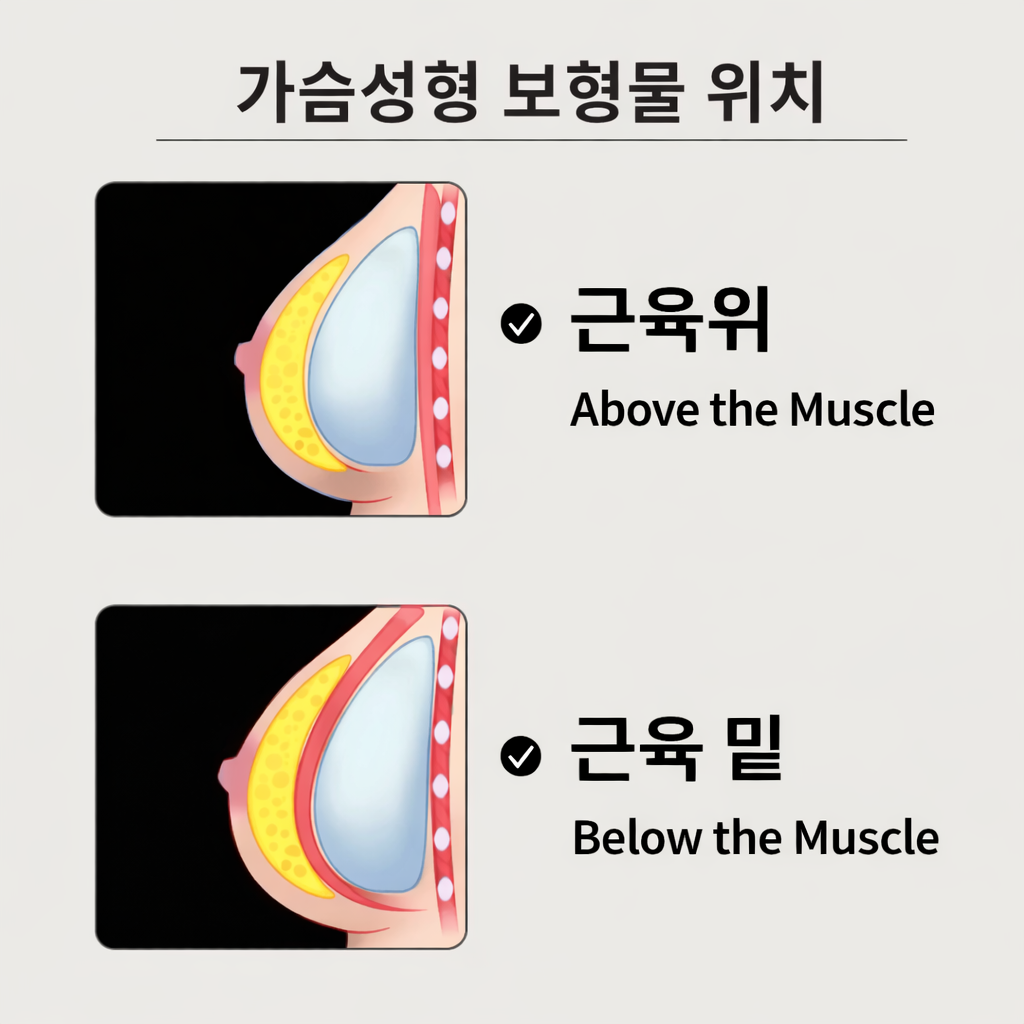
Whether the implant is placed above or below the muscle makes a noticeable difference in the final breast shape. Some patients can have the implant placed entirely under the muscle, but doing so often makes it difficult to achieve the desired size and shape. That’s why the dual-plane technique is used for those who want a fuller result. Sometimes patients come for revision surgery saying they had the dual-plane method, but in reality, they had a subfascial placement.
In fact, that is incorrect. The dual-plane technique literally means that the implant sits partly under the muscle and partly under the patient’s own fatty tissue. Subfascial placement, however, is simply under the soft tissue without any muscle coverage. Therefore, a dual-plane result cannot occur with subfascial placement.
So, the question is whether the implant is placed above the muscle or below it. When it is placed above the muscle, it is generally referred to as subfascial placement. For implants placed below the muscle, the methods include submuscular placement or the dual-plane technique.
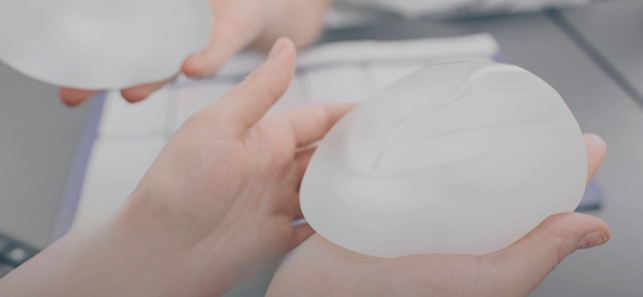
When considering which method is better, subfascial placement or placing the implant above the muscle generally does not produce the best results in my experience. The deeper the implant is placed inside the body, the less visible the implant edges become.
Patients often say, “I can see a Y‑shaped line on my upper chest,” or “The implant looks like it’s sticking out.” If someone is very thin, the implant may still be slightly visible even when placed under the muscle. But the key point is that it is only that visible because it was placed under the muscle — if it had been placed above the muscle, it would look much more prominent. For slim East Asian body types, placing the implant under the muscle generally produces better results, and for those who want more volume or a better shape, the dual‑plane technique is the most effective option.
People often say, “Isn’t it less painful if the incision is made in the inframammary fold?” But in reality, whether the incision is made through the armpit or the inframammary fold does not affect the level of pain. The real difference in pain comes from whether the implant is placed above the muscle or below it. So even with an inframammary incision, if the implant is placed under the muscle using the dual‑plane technique, pain will still occur.
Even with an armpit incision, subfascial placement causes less pain. That is the most important point.
Some people choose subfascial placement because they want to avoid pain, but personally, I do not recommend it at all.
In my entire surgical career, cases where I place the implant subfascially or above the muscle are extremely rare. Even though it may cause more pain, placing the implant under the muscle provides far better long‑term stability and results, which is why I recommend the dual‑plane technique in 99.99% of cases.
For those considering breast augmentation, my recommendation is this: although there may be some pain and discomfort, breast surgery is something you live with for a lifetime. Therefore, the best approach is to place the implant under the muscle and use the dual‑plane technique, which provides the most optimal and long‑lasting results.
If someone wants only a slight increase in breast size and has enough soft tissue, subfascial placement may be considered. However, even in such cases, the dual‑plane technique is generally the more reliable option for achieving long‑lasting and stable results. I hope this information is helpful to many people. Thank you.
Discover more from Korea Doctor Interview
Subscribe to get the latest posts sent to your email.


Leave a Reply
You must be logged in to post a comment.
일산 피부과에서 친절하고 전문적인 서비스를 받았어요. 피부 상태를 정확히 판단해주시고 케어 방법을 상세히 설명해주셔서 안심했어요. 진료 결과도 매우 만족스럽고, 쾌적한 분위기에서 친절하게 대해주셔서 다음 방문도 기대됩니다. 추천해요! 일산 피부과
소중한 방문 후기 남겨주셔서 진심으로 감사드립니다.🥰
[…] 가슴성형 시 추천하는 보형물 삽입 위치 Author […]