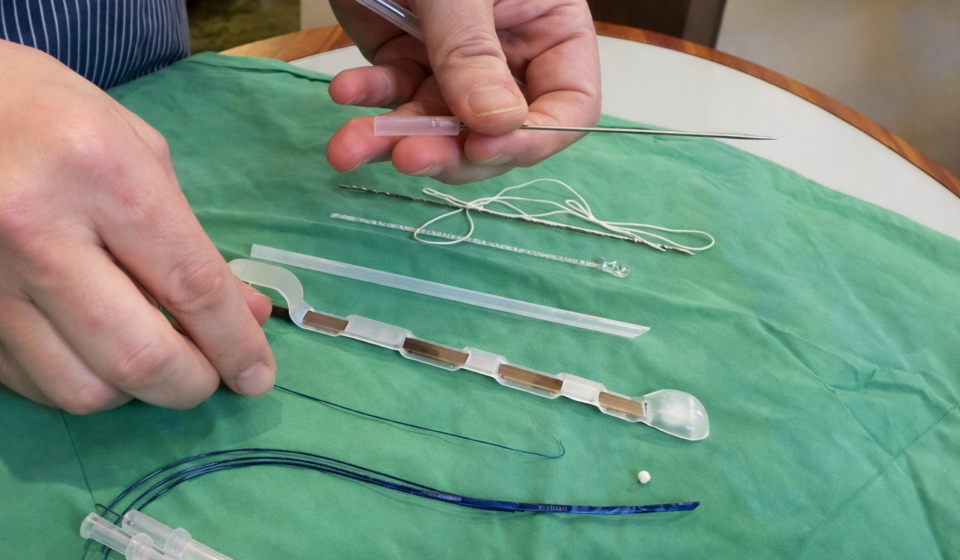
Thread Lifting vs Facelift, Which Is Right? | The Key to Long‑Lasting Thread Lifting: Subcision and Thread Types

▣ Should I get thread lifting or a facelift
When aging begins, one of the first concerns is whether to choose thread lifting or a facelift.
Especially the question, “Since I’ll eventually need a facelift anyway, is it okay to get thread lifting now?” is a concern many people share.
This question was also a central topic in the interview with Director Hyun‑Chul Kim of Kidari Plastic Surgery near Gangnam Station.
Not everyone needs a facelift, and not everyone can be treated with thread lifting alone.
In other words, the choice depends on each person’s stage of aging and the condition of their retaining ligaments.
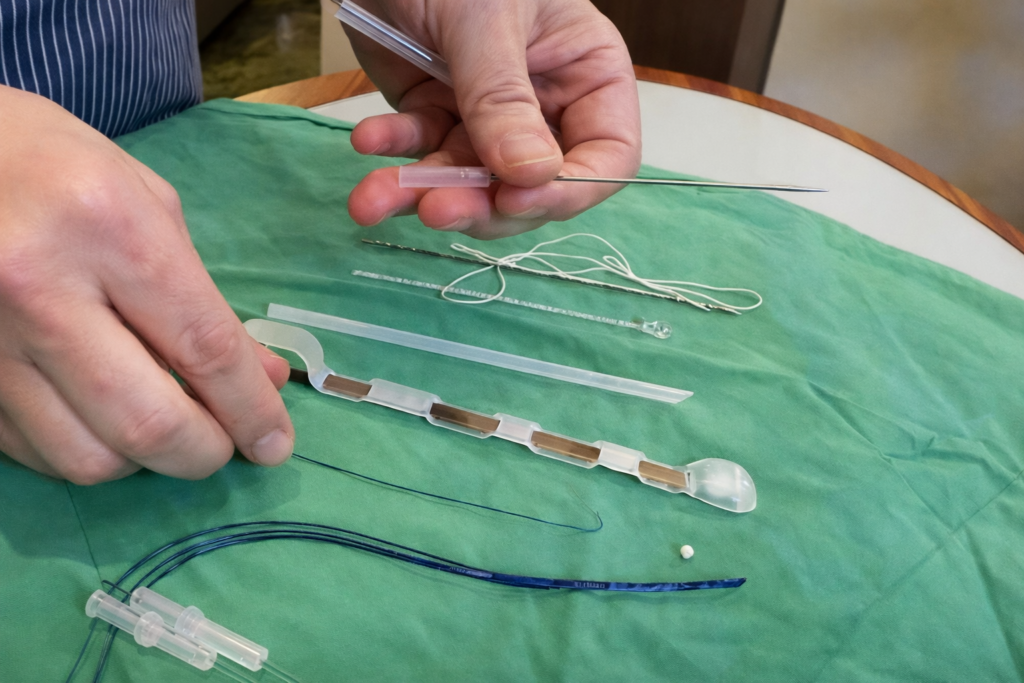
▣ When thread lifting alone is sufficient
If aging is still in its early stage and skin sagging is not severe, thread lifting alone can provide sufficient lifting results.
Especially for those in their early to mid‑30s or 40s who still have good skin elasticity, thread lifting is preferred because it is less burdensome and offers a quick recovery.
However, the reason thread lifting may feel short‑lived is not simply because the threads dissolve, but because of the retaining ligaments.
▣ Why thread lifting results seem short‑lived: the retaining ligaments
The retaining ligament is a structure that firmly connects the bone to the skin,
They are especially strong in deep wrinkle areas such as the Indian fold or nasolabial folds.
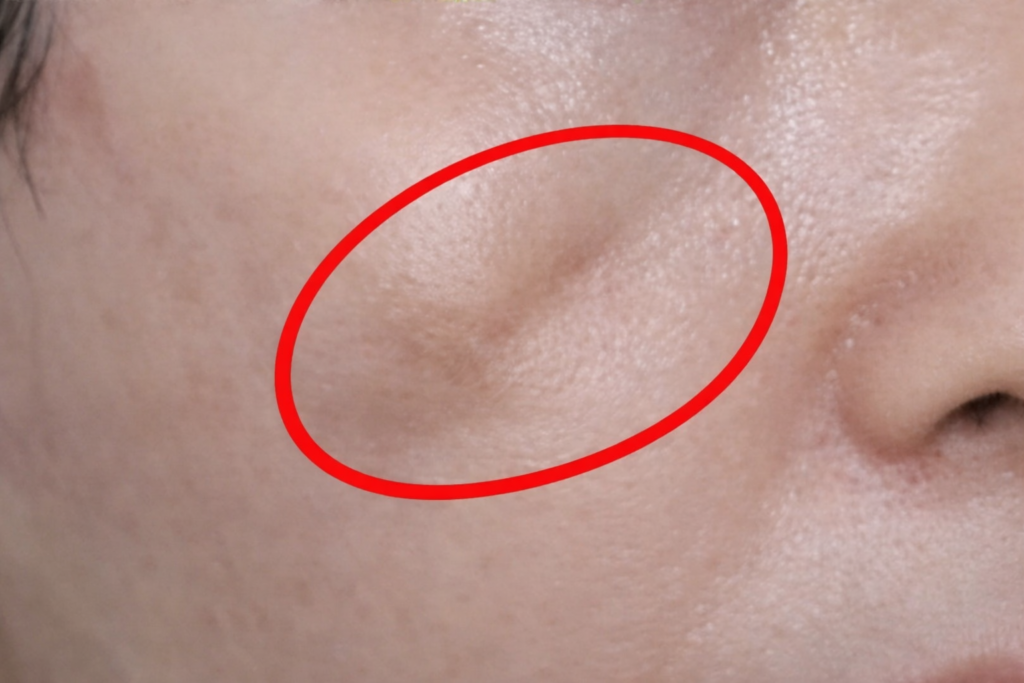
- Even when the threads pull, the retaining ligaments hold the tissue, so it doesn’t lift well.
- Forcing the lift can cause dimpling (indentation).
- It can also create an uneven or bumpy surface.
- When the threads dissolve, the tissue sags again, causing the effect to fade.
In other words, the limitation of thread lifting comes from the fact that it does not address the retaining ligaments.
▣ Types of threads used in thread lifting
The effectiveness and longevity of thread lifting vary depending on the type of thread used.
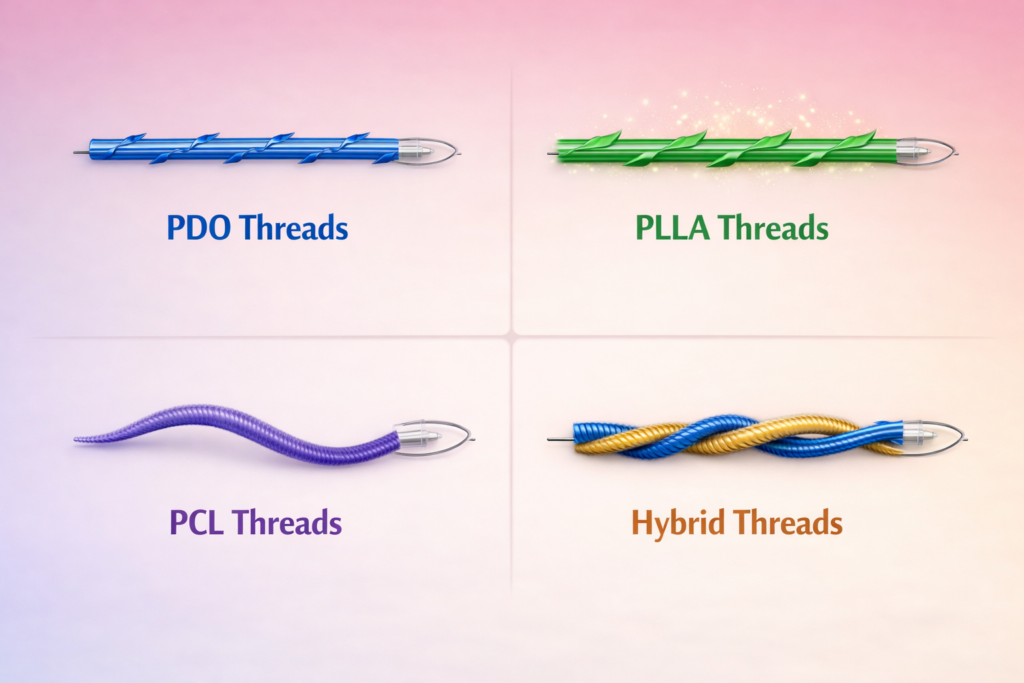
● PDO thread
- Absorbed in about 6 months
- Improves elasticity, but the duration is short.
- Suitable for mild sagging
● PLLA thread
- Excellent collagen‑stimulating ability
- Lasts for 12–18 months
- Improves overall skin quality
● PCL thread
- Lasts for more than 18–24 months
- A good choice for those who prefer a natural‑looking lift
- Classified as a premium thread
● Hybrid thread
- PDO+PLLA, PLLA+PCL, etc.
- Balanced in lifting effect, elasticity, and longevity
However, no matter how good the thread type is, the effect is limited if the retaining ligaments remain unchanged.
▣ Principle of thread lifting
Thread lifting is not just about inserting threads; the cogs (barbs) on the thread grasp and pull the skin tissue,
During this process, collagen production is stimulated, leading to long‑term improvement in skin elasticity.
- Thread insertion → Tissue anchoring
- Collagen production → Increased skin elasticity
- Thread absorption → Sustained tissue remodeling
However, if the retaining ligaments are too strong, the thread cannot lift the tissue effectively, resulting in a shorter‑lasting effect.
▣ Then how can we make the effects of thread lifting last longer?
The key point emphasized by Director Hyun‑Chul Kim is subcision.
▣ What is subcision?
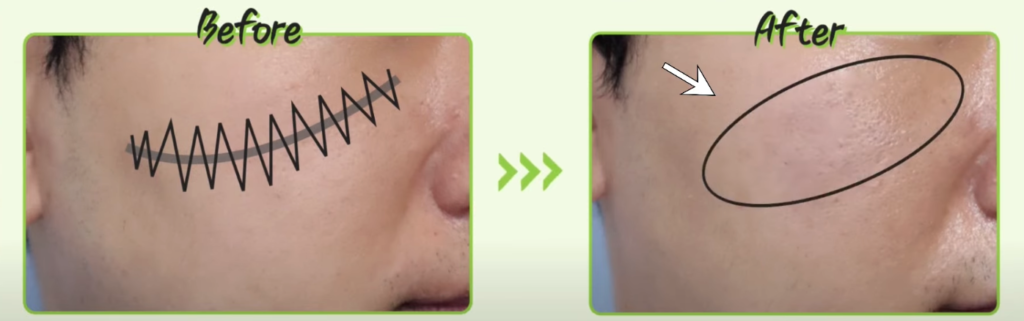
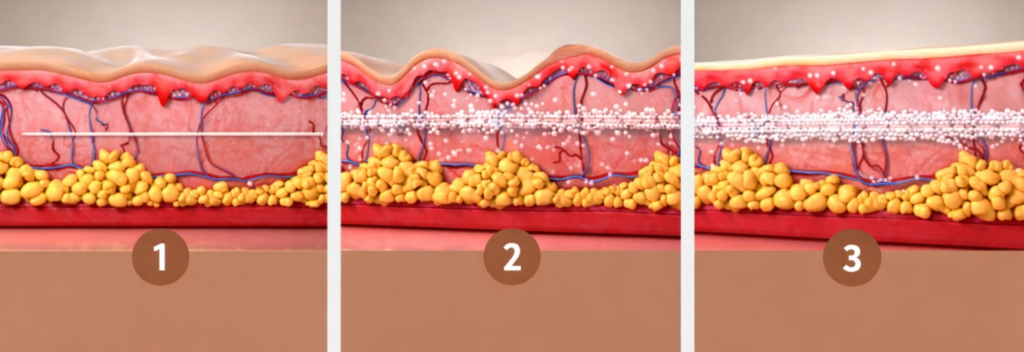
Subcision is a procedure that uses a needle to release adhered tissue or retaining ligaments without any surgical incision.
▣ Subcision + Thread Lifting Procedure Steps
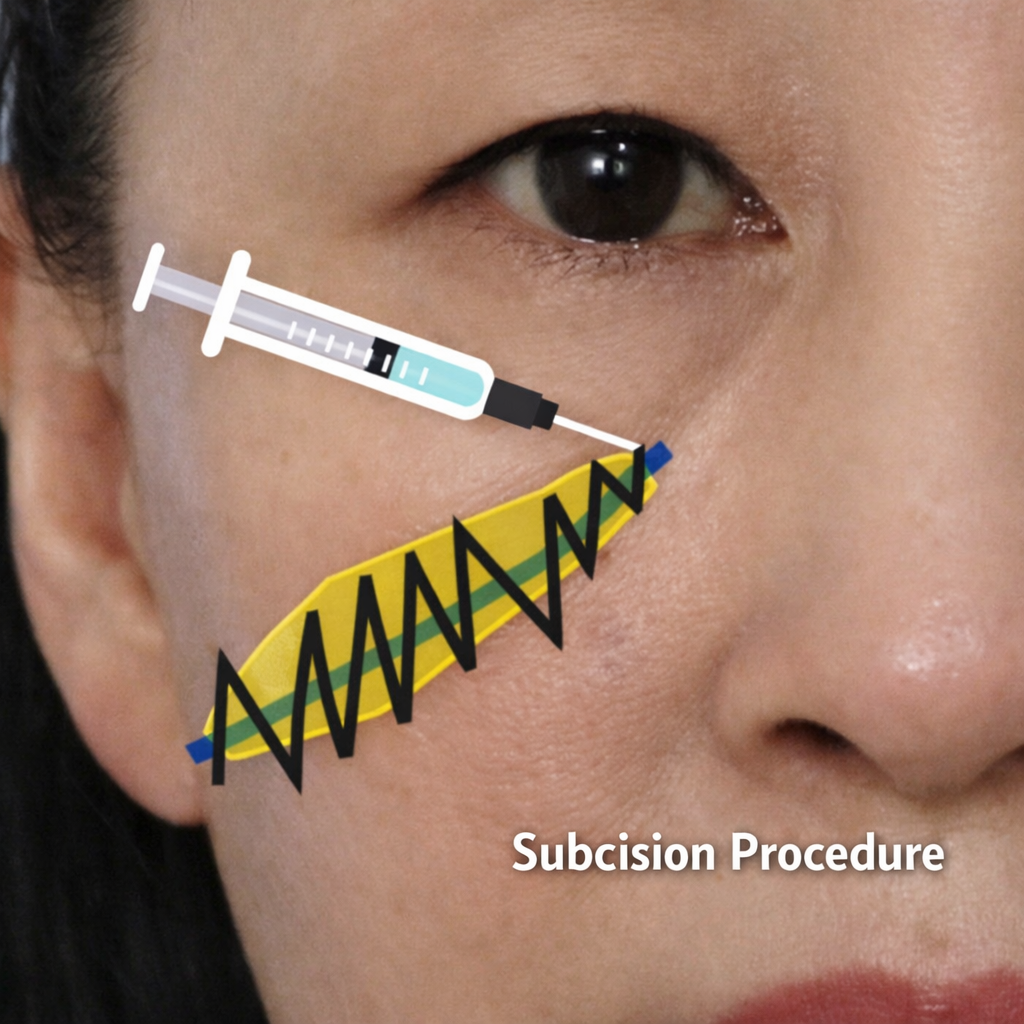
- Releasing the adhesion of the Indian fold
- Improvement of long‑standing dimples
- Partial cutting of the retaining ligament
- Fast recovery without incision
In other words, it is a key technique that compensates for the limitations of thread lifting.
▣ Subcision + Thread Lifting Procedure Steps
- Identifying the location of the retaining ligament
- Local anesthesia or sedation anesthesia
- Releasing adhesions through subcision
- Insertion and fixation of the thread lift
- Inducing tissue remodeling
- Recovery and progress check
Combining subcision can extend the longevity of a thread lift by several years.
▣ Post–thread lift precautions
- Avoid excessive mouth opening for 2 weeks
- Avoid saunas, steam rooms, and excessive alcohol consumption
- Intense exercise should be avoided for 2–4 weeks
- Bruising typically fades naturally within 3–7 days
▣ Differences between thread lifting and facelift surgery
Thread lifting is a non‑incisional procedure that lifts the skin using threads, offering quick recovery and natural-looking results. Depending on the type of thread, the effect lasts 6 months to 2 years, and when combined with subcision, it can be maintained for several years.
In contrast, facelift surgery involves making incisions to directly lift the skin and the SMAS layer,
It is suitable for those in the mid‑to‑late stages of aging who want a strong and long‑lasting lifting effect. The results typically last 5 to 10 years or more, and in cases of severe sagging, it provides much more definitive results than thread lifting.
▣ Facial types that benefit from thread lifting
- People in their early 30s to early 40s
- Mild cheek sagging
- When the jawline has slightly lost its definition
- When the nasolabial folds are not deep
- When surgical incisions feel burdensome or undesirable
- When only a subtle, natural-looking change is desired
▣ Facial types that require facelift surgery
- People in their 50s and older
- When the cheek sagging is severe
- When the jawline has completely lost its definition
- Accompanied by neck sagging
- When the retaining ligaments are very strong
- When repeated thread lifting has shown no effect
▣ Cases of thread‑lifting failure and their causes
- Thread lifting that does not address the retaining ligaments
- Incorrect selection of thread type
- Insufficient number of threads
- When the skin is heavy
- Error in the depth of the procedure
- Subcision not performed
The retaining ligaments are the key structures that support the shape of the face,
They are strong fibrous structures that extend from the bone through the SMAS layer to the skin.
Major retaining ligaments
- Nasolabial ligament
- Orbicularis ligament
- Masseteric ligament
- Zygomatic ligament
If these retaining ligaments are strong, the effect of thread lifting becomes limited, and subcision is needed to release the adhesions so the threads can anchor properly.
Causes of foreign-body sensation and pain after thread lifting
- The process of the thread settling into the tissue
- The process by which the cog threads anchor and hold the skin
- A feeling of pressure caused by swelling
- Micro‑pain caused by nerve stimulation
Most symptoms naturally disappear within 2 to 4 weeks.
▣ Criteria for choosing a clinic that excels in thread lifting
Thread lifting is not a simple procedure; it is a highly advanced technique that requires a thorough understanding of facial anatomy, retaining ligaments, thread types, insertion depth, and vector direction.
- A doctor who understands and can clearly explain the retaining ligaments
- A clinic that can accurately determine whether subcision is necessary
- A clinic that offers a wide variety of thread types
- A clinic that designs the optimal thread insertion direction and depth
- A clinic that provides sufficient before‑and‑after photos
- A clinic with experience in managing complications
- A clinic that provides sufficient consultation time
- A clinic that does not excessively recommend an unnecessary number of threads
- A clinic that does not insist solely on thread lifting but also explains facelift surgery as an option
Clinics that meet these criteria tend to achieve better thread‑lifting results.
Kidari Plastic Surgery Clinic website http://beanpoleps.com/inc/index.php

◆ F&A
Q1. Why does the effect of thread lifting fade quickly?
A. The threads dissolving is one reason, but the main issue is that the retaining ligaments remain unchanged, causing the tissues to sag again.
Q2. Does subcision require an incision?
A. Since subcision releases the adhesions using a needle without any incision, recovery is quick and there is no concern about scarring.
Q3. Does the duration of results vary significantly depending on the type of thread?
A. PDO has the shortest duration, PLLA lasts a moderate amount of time, and PCL lasts the longest. However, the condition of the retaining ligaments is more important.
Q4. How long do subcision combined with thread lifting last?
A. It varies by individual, but it often lasts much longer than standard thread lifting, and in some cases can even be maintained for several years.
Q5. Does it cause a lot of bruising?
A. Due to the nature of subcision, bruising can occur, but it is usually temporary and does not significantly affect daily activities.
Discover more from Korea Doctor Interview
Subscribe to get the latest posts sent to your email.