Alar Reduction Scars: Why They Happen, the 2mm Incision Difference, and How to Lower the Risk|Dr. Hwang Kyu-seok, Homme & Femme Plastic Surgery

If you've ever looked into alar reduction, you've probably noticed the same phrases popping up in search suggestions: "alar reduction scar," "alar reduction side effects," "laser for alar reduction scars." That says a lot. Plenty of people aren't hesitating over the surgery itself so much as over whether it'll leave a line next to their nostrils.
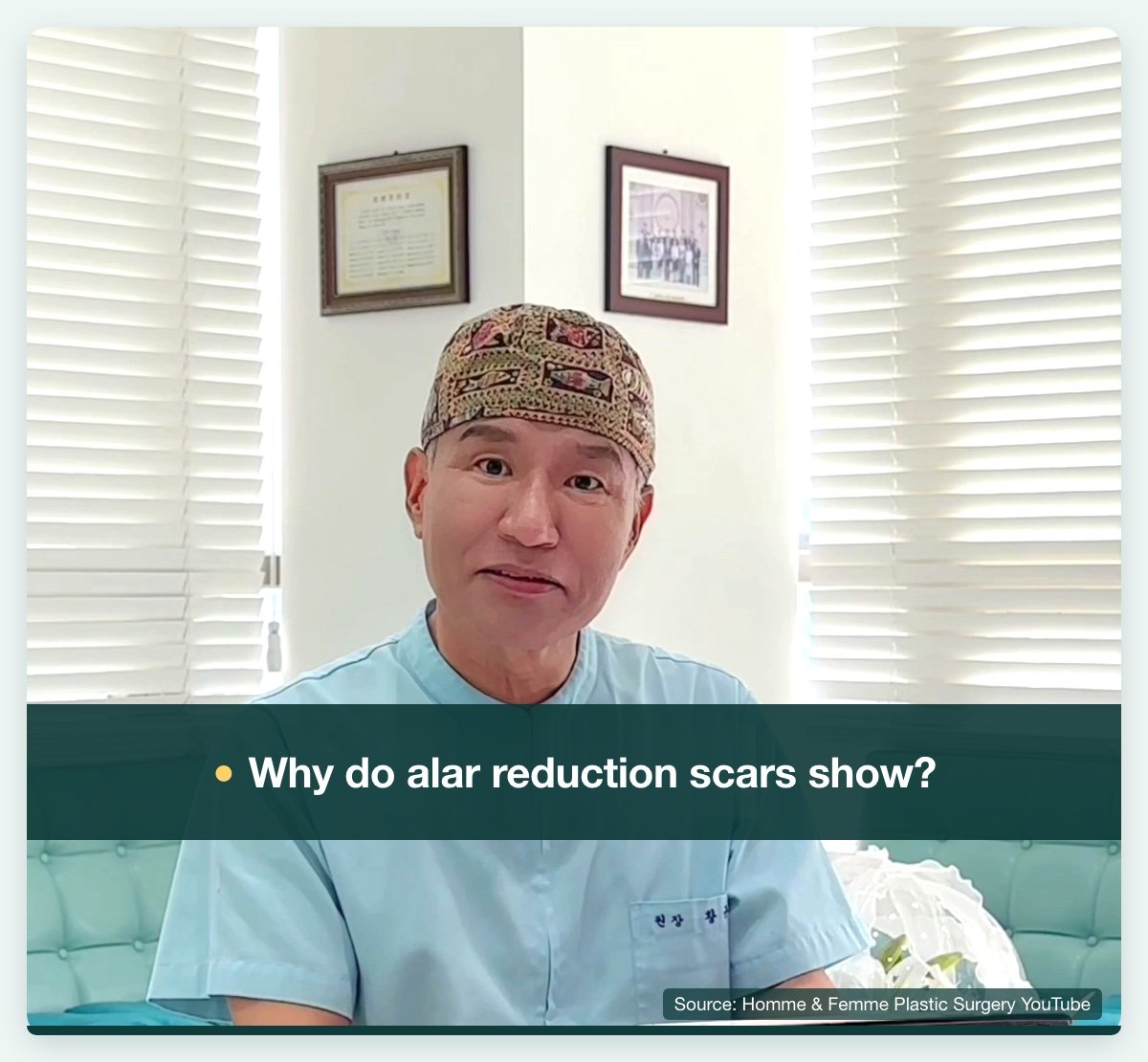
Recently, a comment exactly like that showed up under a YouTube Short from Dr. Hwang Kyu-seok of Homme & Femme Plastic Surgery. The commenter said a friend had alar reduction 10 years ago, and the scar was so visible that not even makeup could cover it, which was enough to make them drop the idea altogether. Dr. Hwang replied "That's right," agreeing straight away, and then gave a quick explanation of why these scars happen. The video is only 43 seconds long, but the point comes across clearly, so I've written up what I took from it along with some extra reading I did.
What exactly gets cut in alar reduction?
Alar reduction (also called alar base reduction or nostril reduction) removes a small piece of skin from the nostril wings and stitches it closed to narrow flared alae or wide nostrils. With the external approach, the incision sits where the ala meets the cheek, right around the alar crease. Since that's one of the most noticeable spots when someone looks at your face head-on, where and how that line is placed has a big effect on the scar.
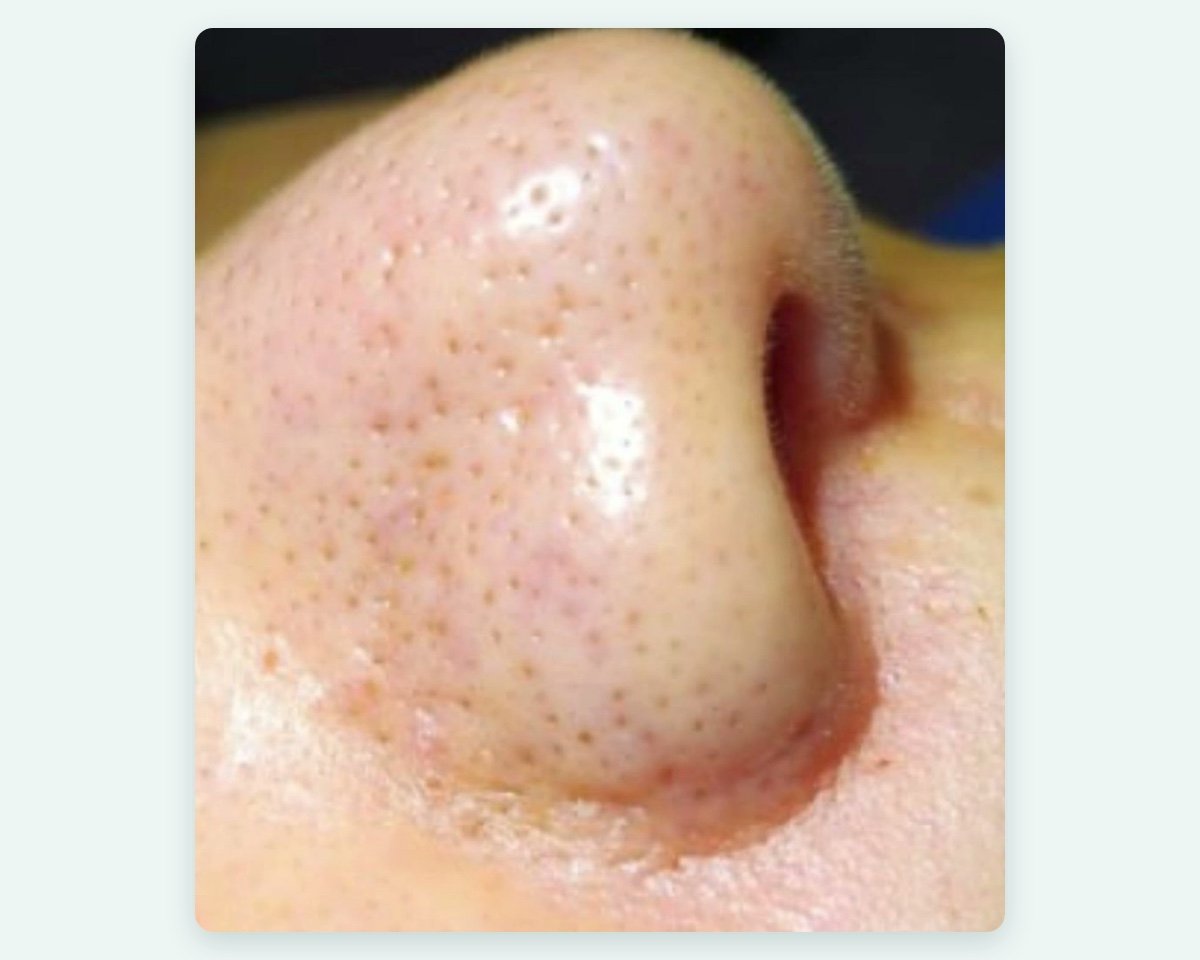
The photo Dr. Hwang showed in the video is exactly this kind of case. The line sits just slightly off the spot where the ala meets the face, so up close you can clearly see the scar. I'd guess the commenter's friend, whose scar makeup couldn't hide, had something similar.
There are also options that only trim the inside of the nostrils, or a non-incisional suture method, but reducing the flare of the alae themselves is generally said to require an external incision in many cases. Which approach suits you depends on your alar shape and skin thickness, so that's something to settle at your consultation.
The textbook "2mm above" incision, and why Dr. Hwang sees it differently
This was the part of the video that stuck with me most. According to Dr. Hwang, Western textbooks on alar reduction say the incision should be made 2mm above the line where the ala meets the cheek. But Dr. Hwang pointed out that this is "a Western thing." Western and Asian skin are different, so if you follow that rule as-is on Asian skin, the scar can end up noticeable.
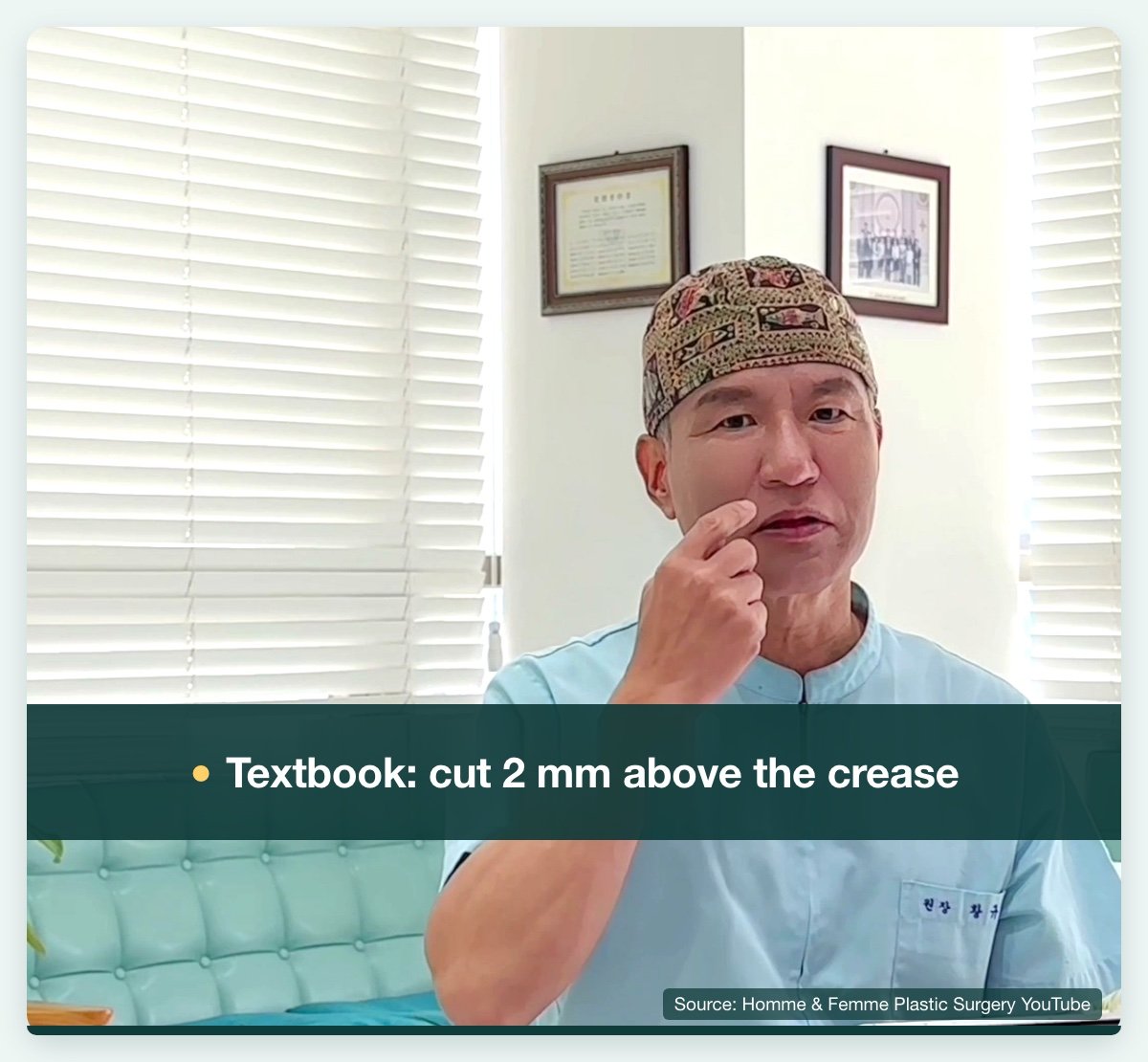
Dr. Hwang's own rule is simple: not 2mm above, but exactly on the natural line where the skin meets is where the incision goes. His explanation was that when the wound is tucked into the existing crease, there's less tension and the scar is far less likely to show. In the video he said quite confidently that placing it this way means no scar, but I took that to mean it can greatly reduce the chance of a noticeable scar. How much of a scar remains still varies from person to person depending on skin, constitution, and healing.
Along with this explanation, the video showed before-and-after photos of an alar reduction done at Homme & Femme Plastic Surgery, with before on the left and after on the right. Dr. Hwang emphasized that even though the alar width was reduced, there's no noticeable mark beside the nostrils.
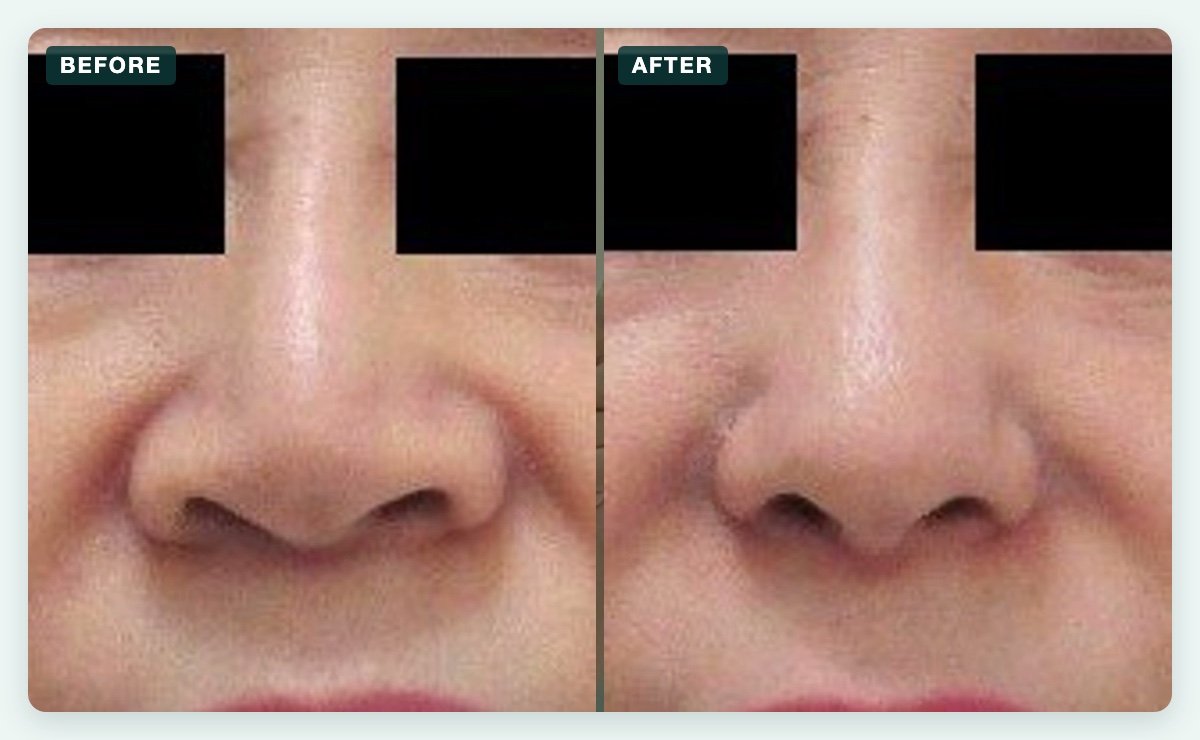
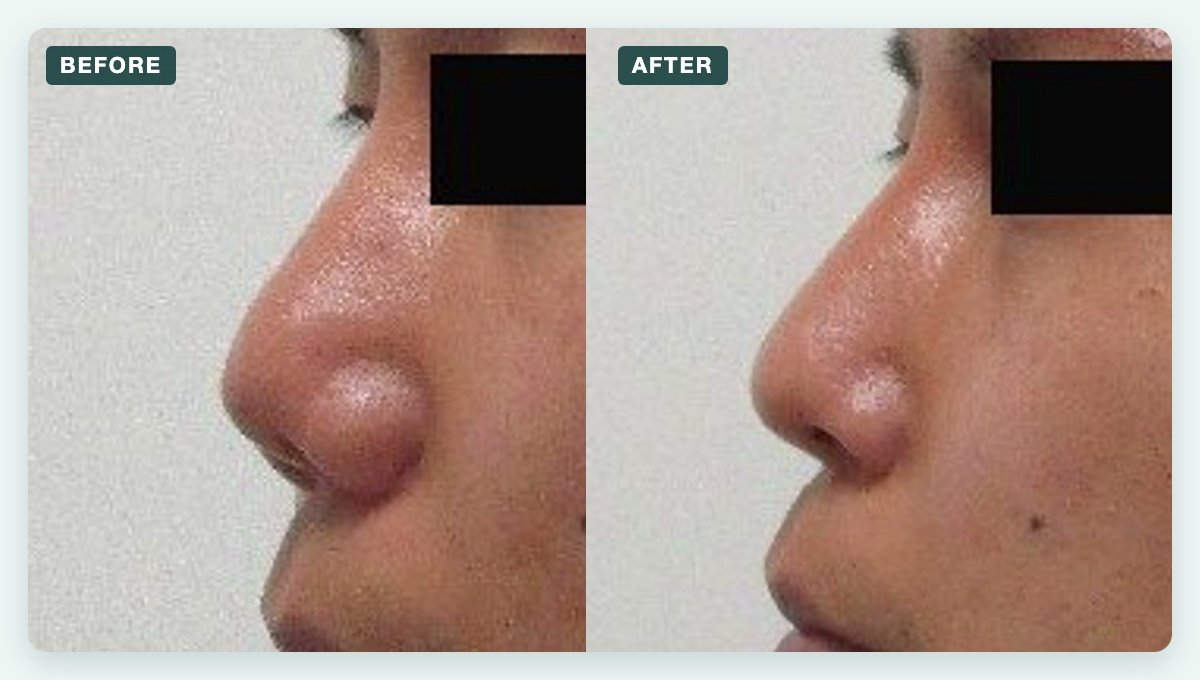
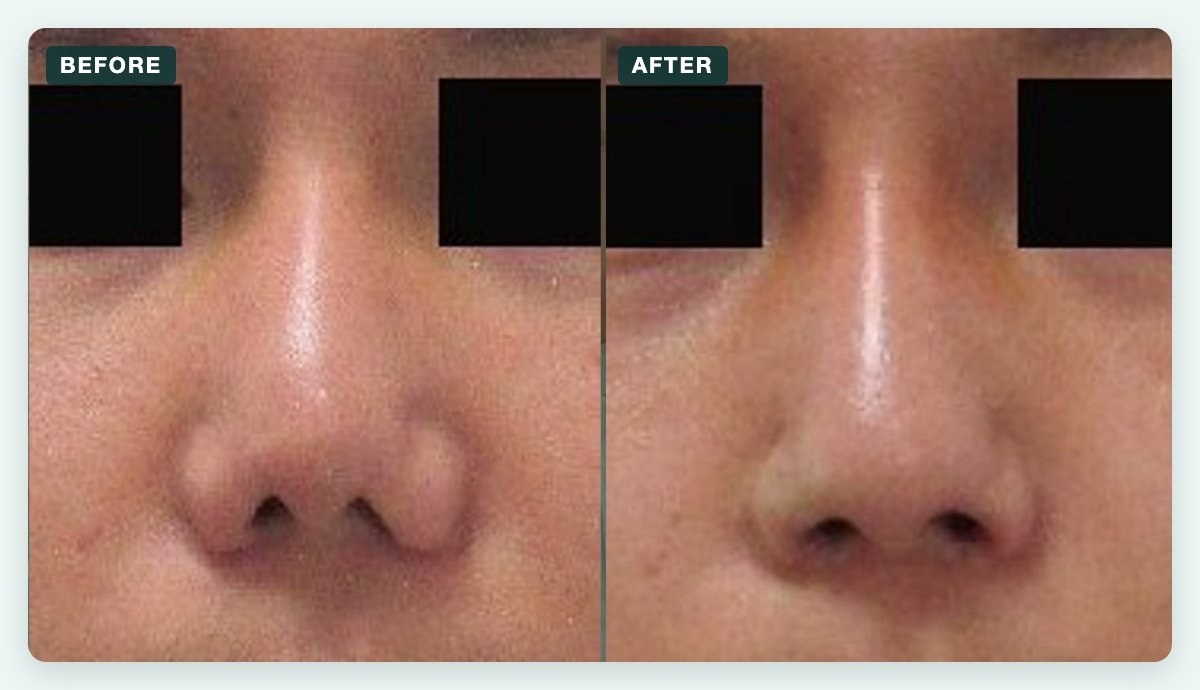
Keep in mind that before-and-after photos show just one person's result. Even with the same surgery, outcomes differ depending on alar shape, skin, and healing. Treat the photos as a reference to get a feel for what an incision line can look like.
What's different about Asian skin?
The video didn't go into much detail here, but I was curious why skin differences matter so much, so I did some digging. Asian skin is generally known to have a thicker dermis and to be more prone to lingering redness or hyperpigmentation while wounds heal. That's why, even with an incision of the same length, being just slightly out of position can make the line stand out.
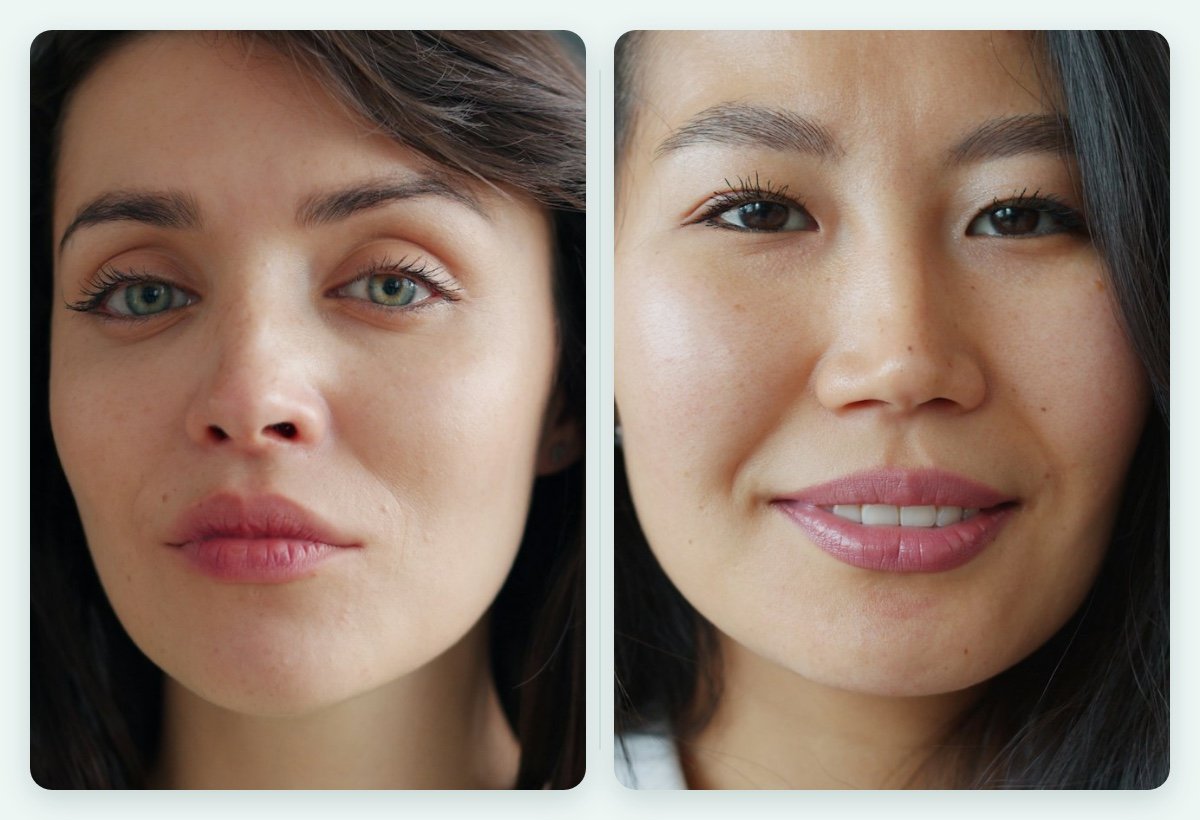
Put the two photos side by side and the shape of the area where the ala meets the face, along with the texture and tone of the surrounding skin, looks quite different. You can't judge skin properties from a single photo, of course, but it does make it easier to see why Dr. Hwang says the incision should be matched to your own skin and alar shape rather than borrowed straight from a Western standard.

That's when his point clicked for me: deciding the incision position down to the millimeter is what makes or breaks the result. Stray even slightly from the natural crease, and that line sits right in the middle of your face.
In the end, experience and know-how make the difference
Here's how the video wrapped up: first the difference between Western and Asian skin, then the difference in experience and surgical know-how, and that is what becomes the difference in results. It may look like a by-the-book procedure, but I took it to mean that the feel for placing an incision on Asian alae is something surgeons who've done many of these simply understand better. Dr. Hwang also described alar reduction as one of the key parts of bulbous nose surgery in his bulbous nose revision interview that we featured earlier on K Doctor Interview.

Questions I'd ask at an alar reduction consultation
After watching the video, these are the questions I'd make sure to ask at a consultation.
Where exactly will the incision be placed? It helps to ask them to point it out on your face in a mirror: right on the line where the ala meets the cheek, or above it?
Do I really need an external incision? Ask them to explain, based on your own alar shape, whether trimming just the inside of the nostrils would work or whether an external cut is needed.
If a scar forms, how is it managed? It's worth knowing ahead of time when the stitches come out, when scar care like ointments or laser can start, and whether that costs extra.
Is there anything I should watch out for with my skin? If your wounds tend to stay red for a long time or you're prone to keloids, mention it upfront at your consultation.
If you're curious about overall nose surgery costs or how long to plan your stay in Korea, check out Korea Nose Job Cost 2026 where I've laid it all out.
Frequently Asked Questions
Q. Do alar reduction scars fade over time?
Right after surgery you'll usually see a red line that gradually fades over several months. Whether it disappears completely, and how much it fades, depends on the incision position, your skin, and aftercare.
Q. What can be done about an existing alar reduction scar?
Scar care such as laser treatment can improve color and texture, and if the incision position itself is the problem, some people consider revision surgery. The right option should be decided with a specialist who has examined the scar in person.
Q. Does non-incisional alar reduction leave no scar?
Since the outer skin isn't cut, there's less worry about a visible scar, but there may be limits to how much width can be reduced and how long the result lasts. Check at your consultation which method suits your nose.
Wrapping up
My biggest takeaway from this video: alar reduction scars aren't down to luck. They largely come down to where the incision goes. Not the Western textbook's "2mm above," but exactly on the line where the skin meets, matched to Asian skin, plus the experience that builds that instinct. If you're considering alar reduction, make the incision position the first thing you ask about.
If you'd like to hear Dr. Hwang explain it himself, you can watch it on Homme & Femme Plastic Surgery's YouTube channel, and you'll find clinic information on the Homme & Femme Plastic Surgery Clinic Website as well.
※ This post summarizes general information based on a YouTube Shorts video by Dr. Hwang Kyu-seok of Homme & Femme Plastic Surgery. Surgical methods, results, and the degree of scarring can vary from person to person, so be sure to consult a specialist about side effects and recovery time.
Medical Information Notice
This article provides general information based on interviews with medical professionals and publicly available sources, and it does not replace personal diagnosis or treatment. Symptoms and treatment results vary from person to person, so always consult a specialist in person before deciding on any procedure or treatment.
Discover more from Korea Doctor Interview
Subscribe to get the latest posts sent to your email.