Gastroesophageal Reflux Disease (GERD): If It Worsens, It May Even Increase the Risk of Esophageal Cancer

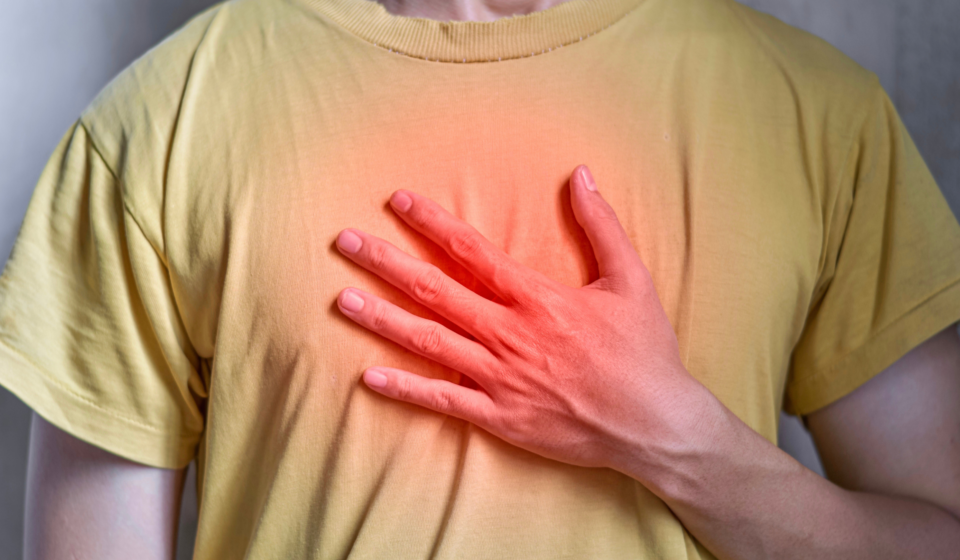
Gastroesophageal reflux disease (GERD) is a very common digestive disorder in modern society. If left untreated, it can lead to complications such as chronic cough, laryngitis, and esophageal stricture. In rare cases, it may also increase the risk of esophageal cancer, making proper management important. In this article, we will take a closer look at the causes and symptoms of GERD, methods of prevention, and its potential association with esophageal cancer.
What is Gastroesophageal Reflux Disease (GERD)?
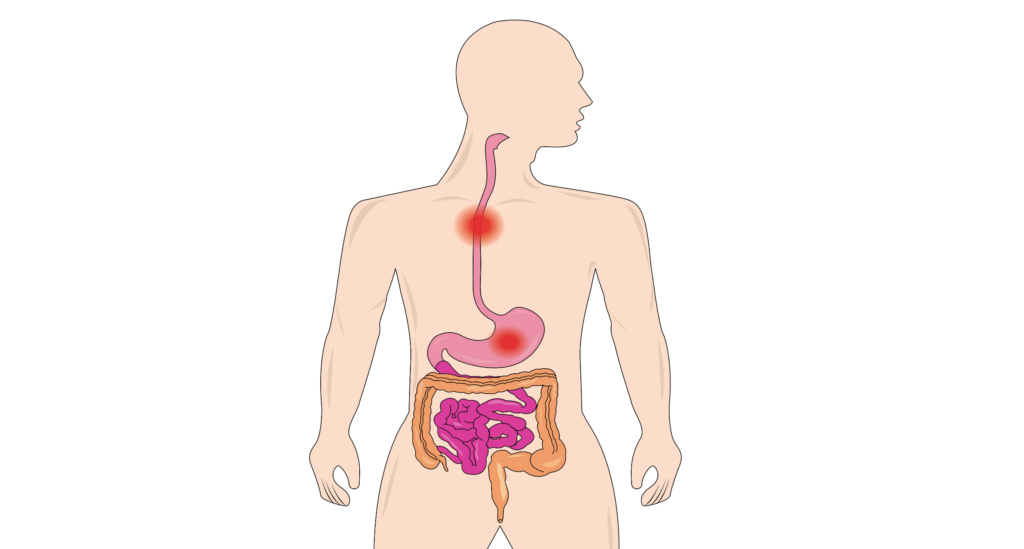
Gastroesophageal reflux disease (GERD) is a condition in which stomach acid or stomach contents flow back into the esophagus, causing inflammation of the esophageal lining, and if symptoms recur repeatedly, quality of life can be significantly reduced, making proper management and treatment important.
Major Causes of Gastroesophageal Reflux Disease (GERD)
1. Increased Stomach Contents
If stomach motility decreases or gastric emptying is delayed, stomach contents can remain in the stomach longer, increasing the likelihood of reflux.
- Overeating
- Decreased gastric motility
- Excessive stomach acid secretion
2. Increased Abdominal Pressure
If pressure in the stomach or abdomen increases, stomach contents can more easily flow back into the esophagus.
- Obesity
- Pregnancy
- Ascites
3. Lower Esophageal Sphincter Dysfunction
The lower esophageal sphincter acts as a barrier that prevents stomach acid from flowing back into the esophagus, and when this function becomes weakened, gastroesophageal reflux disease (GERD) is more likely to occur.
Can be contributing factors:
- Fatty foods
- Alcohol consumption
- Smoking
- Coffee
- Chocolate
- Mint
- Orange juice
- Some medications
Symptoms of Gastroesophageal Reflux Disease (GERD)
Typical symptoms
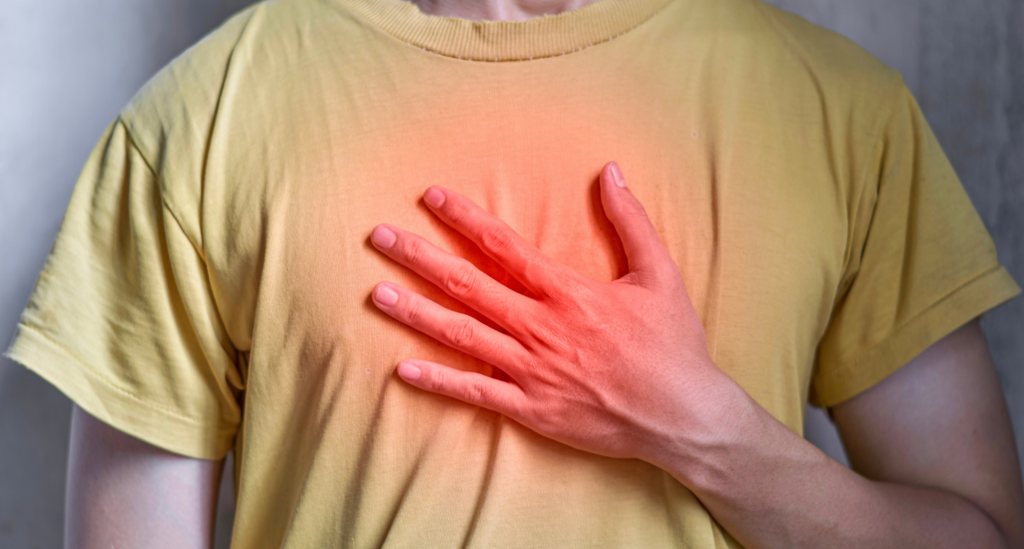
Heartburn
A burning pain or discomfort that starts in the upper abdomen (pit of the stomach) and rises toward the throat.
Acid reflux
A sour or bitter taste rising into the mouth is one of the most common symptoms.
Symptoms that may accompany GERD
- Chest pain
- Dysphagia (difficulty swallowing food)
- Odynophagia (pain when swallowing)
- Nausea
- Globus sensation (a feeling of having something stuck in the throat)
- Chronic cough
- Hoarseness
- Laryngitis
- Dental cavities
Healthy Lifestyle Habits for Gastroesophageal Reflux Disease (GERD)
Avoid overeating and late-night meals
It is the most important preventive measure.
- Avoid overeating.
- Finish eating 3 to 4 hours before going to bed.
- Avoid late-night meals.
Foods to Avoid
It is advisable to limit foods that may reduce the pressure of the lower esophageal sphincter as much as possible.
- Fatty foods
- Alcohol
- Cigarettes / Smoking
- Coffee
- Black tea
- Chocolate
- Mint-containing products
Foods that irritate the esophageal lining should be consumed with caution.
- Carbonated beverages
- Tomato
- Strongly acidic fruit juices
Weight management
Obesity is a major risk factor for gastroesophageal reflux disease (GERD), and maintaining a healthy body weight through regular exercise and improved eating habits is important.
Sleeping Position Adjustment
If nighttime symptoms are severe, sleeping with the upper body slightly elevated may help relieve symptoms.
Complications of Gastroesophageal Reflux Disease (GERD)
If gastroesophageal reflux disease (GERD) persists, the following complications may occur.
Esophageal ulcer and bleeding
If damage to the esophageal lining becomes severe, ulcers or bleeding may occur.
Esophageal stricture
Inflammation can repeatedly occur, causing part of the esophagus to narrow, which may make it difficult for food to pass through.
Barrett's Esophagus
Long-term exposure to stomach acid can lead to Barrett's esophagus, a condition in which the cells lining the esophagus undergo abnormal changes.
Barrett's esophagus is a known risk factor for esophageal cancer, so regular screening and monitoring are necessary.
Treatment Methods for Esophageal Cancer
Treatment for esophageal cancer is determined based on the stage of the cancer and the patient's overall condition.
Surgical resection
Surgical resection is generally considered the first treatment option when there is no distant metastasis and surgery is feasible.
Radiation therapy
Radiation therapy is used when surgery is difficult to perform or when additional treatment is needed.
Chemotherapy
Can be used for patients with advanced esophageal cancer or metastatic esophageal cancer.
Surgery, radiation therapy, and chemotherapy may be used in combination when necessary.
Postoperative Care After Esophageal Cancer Surgery
Nutrition management is very important after esophageal cancer surgery.
Recommended Diet
- High-quality protein
- Fresh vegetables
- Fruit
- Foods rich in vitamins and minerals
Meal Guidelines
- Eat slowly.
- Eat small meals frequently.
- Consume mainly soft foods.
- Do not eat a large amount of sweet foods at one time.
It is also recommended to avoid eating 2 to 3 hours before bedtime.
Esophageal Cancer Prevention
1. Avoid Alcohol and Smoking
It is the most important preventive measure.
2. Maintain a Healthy Weight
Obesity can increase the risk of developing gastroesophageal reflux disease (GERD) and Barrett's esophagus, which may in turn raise the likelihood of esophageal cancer.
3. Healthy Eating Habits
These foods should be consumed in moderation.
- Burnt foods
- Processed meats (ham, sausages)
- Excessively hot beverages
Conversely, consuming plenty of vegetables and fruits can be beneficial.
4. Regular Endoscopic Examinations
Regular checkups are important if you have been diagnosed with gastroesophageal reflux disease (GERD) or Barrett's esophagus.
It is particularly recommended that individuals eligible for the national cancer screening program undergo gastroscopy (upper endoscopy) every two years.
Esophageal Cancer Survival Rates and Recurrence Rates
The prognosis for esophageal cancer is generally better when it is detected at an early stage.
- Overall 5-year survival rate: approximately 40%
- Early-stage esophageal cancer that is confined to the mucosal layer has a 5-year survival rate of over 70%.
- Locally advanced esophageal cancer: approximately 35%
- Metastatic esophageal cancer: approximately 10%
The recurrence rate has been steadily decreasing, but local recurrence or lymph node recurrence can still occur in about 30% of cases, so regular follow-up examinations remain necessary even after treatment.
Gastroesophageal reflux disease (GERD) is not simply a condition that causes heartburn; it is a disease that can affect esophageal health over the long term, making it essential to manage symptoms through lifestyle changes and regular checkups while reducing risk factors for esophageal cancer. If you experience persistent heartburn, acid reflux, or difficulty swallowing, you should consult a specialist and consider undergoing an endoscopic examination.
Discover more from Korea Doctor Interview
Subscribe to get the latest posts sent to your email.