[Notice] Interview with Dr. Kim Hyun-cheol of Kidari Plastic Surgery & Triple Periosteal Dissection Mini Facelift Surgical Observation Program

Hello.
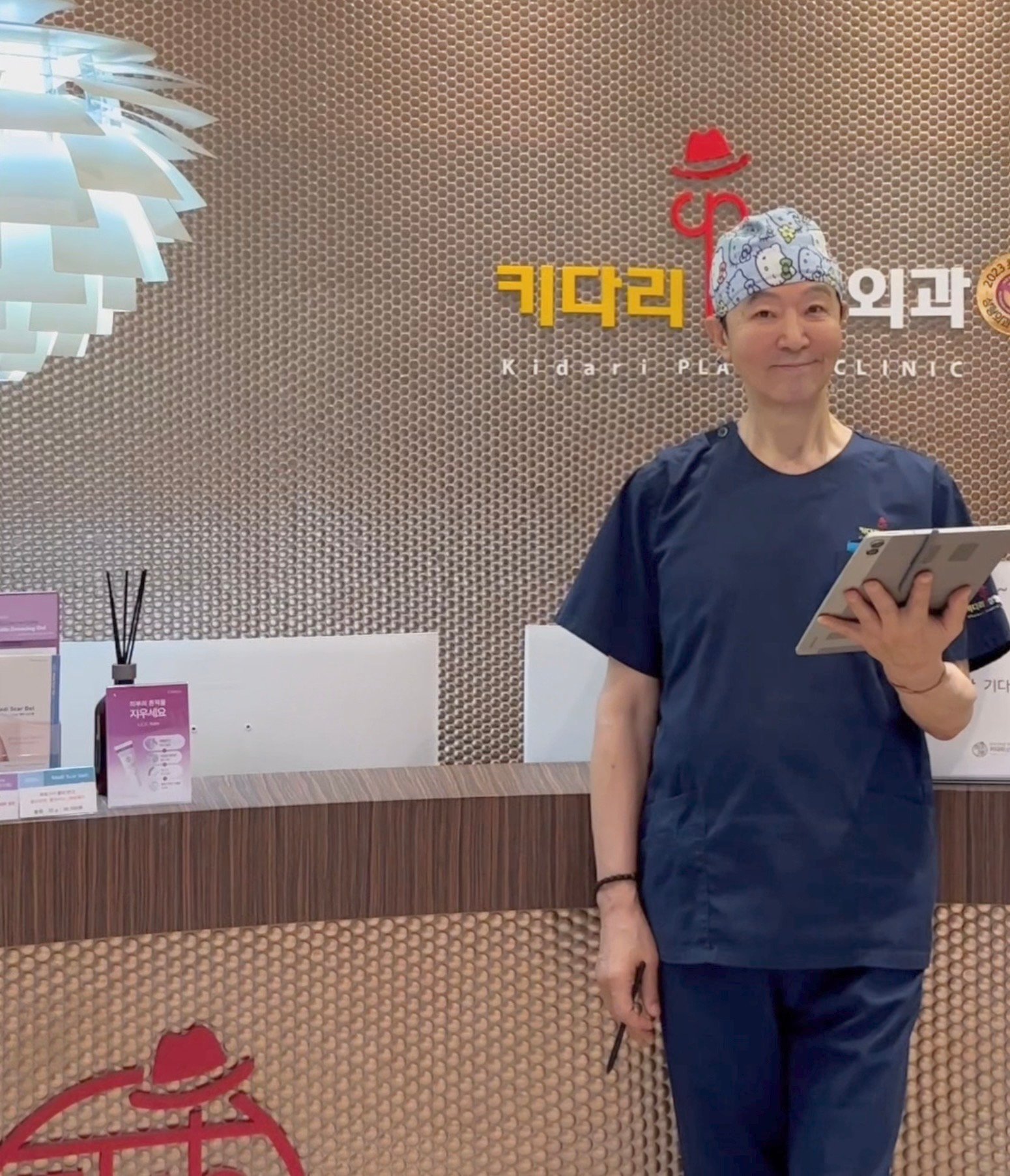
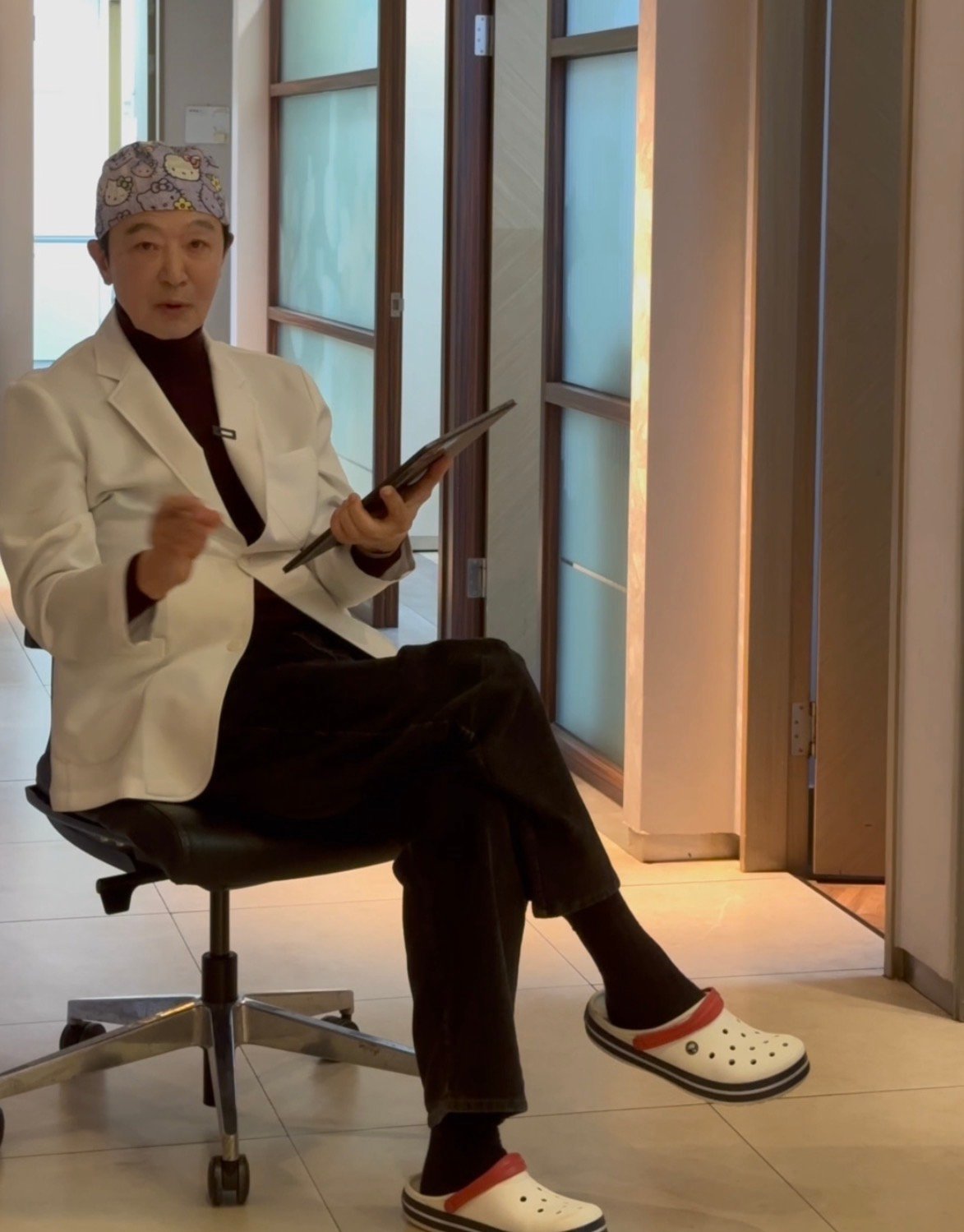
We recently conducted an in-depth interview with Dr. Kim Hyun-cheol of Kidari Plastic Surgery on the “Triple Periosteal Dissection Mini facelift”.
This procedure has drawn steady attention in the fields of facelift and midface lifting,

and as a result, questions and inquiries keep coming in not only from Korean doctors but also from medical professionals overseas. In particular, there is growing academic interest in the actual surgical process, the anatomical approach, longevity, and the principles behind midface improvement.
Accordingly, going forward, kdoctorinterview.com will run a surgical observation program for medical professionals in Korea and abroad.
The program will consist of 10 sessions in total, and we are currently coordinating schedules with invited medical professionals from 14 countries.
Why the Triple Periosteal Dissection Mini Facelift?
The facelift is a procedure with relatively well-established techniques and anatomical standards. The term “mini facelift,” on the other hand, means very different things from clinic to clinic.
Some clinics use it to mean a lift focused on the skin layer,
some include dissection of the SMAS layer,
and some even describe a concept similar to a thread lift as a mini facelift.
So for medical professionals, what matters is not the name “mini facelift” itself, but understanding
-
how deep the dissection goes
-
which structures are fixed
-
how the midface is restored
—these are the key points.
The Biggest Limitation of the Mini Facelift, According to Dr. Kim Hyun-cheol
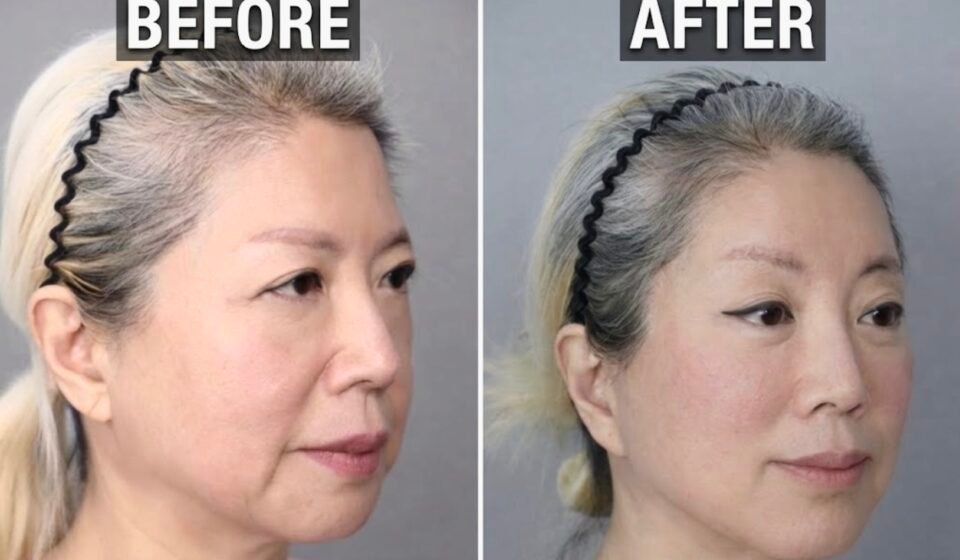
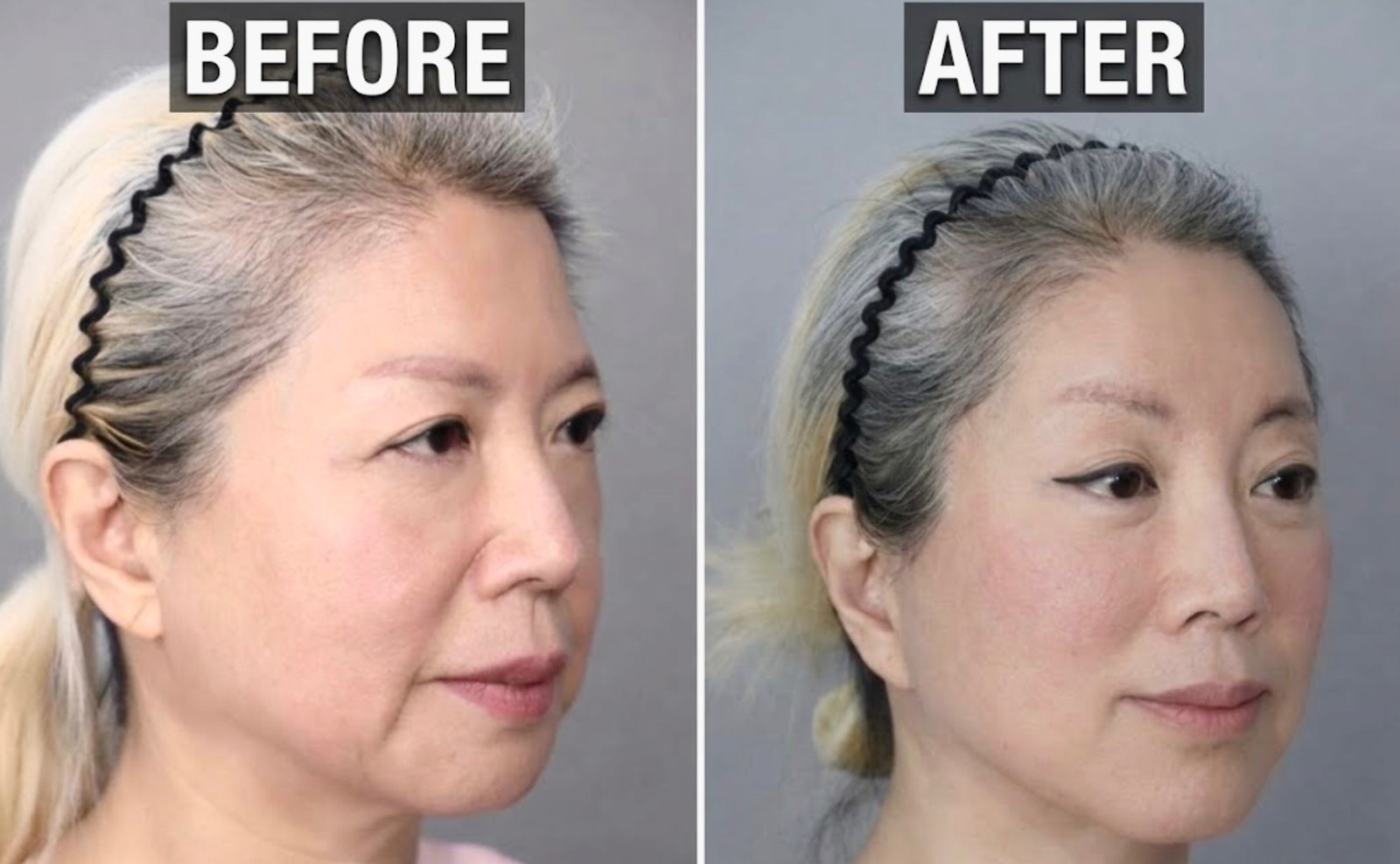
Dr. Kim Hyun-cheol explains that the biggest problem with the mini facelift is not scarring or swelling, but longevity.
Even if the results look good right after surgery, if the tissue descends again
after a certain period, patient satisfaction will inevitably drop.
That is why, instead of simply pulling the skin, Kidari Plastic Surgery repositions structures at a deeper layer with the Triple Periosteal Dissection Mini Facelift.
The Core of Triple Periosteal Dissection
The defining feature of the Triple Periosteal Dissection Mini Facelift is the depth of the surgery.
While typical mini facelifts often focus on the skin or the SMAS layer,
triple periosteal dissection goes all the way down to the deepest layer covering the facial bones — the periosteum level — where the dissection is performed.
In other words, rather than simply pulling the skin,
it is a procedure that repositions the deep tissues that have descended with aging at a deep layer, aiming for a more fundamental lift.
Midface Lifting Effect
The main reason this procedure is drawing attention is its effect on midface improvement.
As we age and the deep cheek fat moves downward, problems such as
-
nasolabial folds
-
sagging at the sides of the mouth
-
a hollow midface
-
a heavy-looking appearance
begin to appear.
Triple periosteal dissection aims to restore a younger, more three-dimensional midface by repositioning these deep tissues upward at the subperiosteal level.
Improving Indian Lines and Front Cheek Volume
Another advantage of midface subperiosteal dissection is that it can help restore volume, going beyond a simple lift.
Traction centered on the SMAS layer alone may have limits in restoring the three-dimensional contour of the front cheeks.
In contrast, tissue moved upward through subperiosteal dissection more naturally supports the under-eye area and the Indian lines, which can ultimately help improve front cheek volume and bring vitality back to the face.
Facial Contour Improvement
When the midface is restored close to its original position, you can expect
-
a tidier jawline
-
improvement of sagging cheeks
-
lifting around the corners of the mouth
-
a more defined facial contour
and more.
In fact, some patients say their face looks smaller and more refined.
Advantages in Scar Management
Because triple periosteal dissection securely fixes the deep layers, excessive tension on the skin itself is not needed.
Accordingly,
-
the incision line in front of the ear
-
the temple area
the scar burden in areas like these can be reduced,
and it can help soften an unnaturally pulled look.
Why Don’t All Clinics Offer It?
Dr. Kim Hyun-cheol explains that the reason is “difficulty.”
To reach the periosteal level,
-
Facial nerves
-
Sensory nerves
-
Vascular structures
-
Deep fat layer
— all of these require a high level of anatomical understanding.
If deep dissection is attempted without sufficient experience, there may be risks such as
-
nerve damage
-
sensory abnormalities
-
unnatural facial expressions
and more.
Therefore, medical professionals must consider not only the depth of dissection but also anatomical safety and the level of surgical skill.
Recovery Process
Because triple periosteal dissection reaches deeper layers, initial swelling may last a little longer than with a typical mini facelift.
Although it varies from person to person, swelling recovery generally may take a few more days, so if you have important plans, it is best to schedule your surgery carefully.
Surgical Observation Program
Since this interview, inquiries from medical professionals in Korea and abroad have continued, and requests to see the actual surgical process firsthand are increasing.
Accordingly, kdoctorinterview.com will host a surgical observation program for the Triple Periosteal Dissection Mini Facelift.
-
10 surgical observation sessions planned
-
Invited medical professionals from 14 countries
-
The midface subperiosteal dissection process shown in full
-
Includes explanation of the anatomical approach and technique
Medical professionals interested in the surgical process and technique are kindly invited to apply for observation through kdoctorinterview.com.
Thank you.
Discover more from Korea Doctor Interview
Subscribe to get the latest posts sent to your email.