What Are the Risks of Dental Treatment for Osteoporosis Patients? An Interview with Dr. Ryu Seong-hoon of Pangyo Station Balance Dental Hospital

Have you ever wondered whether it’s safe to receive dental treatment while taking osteoporosis medication?
Many people are unaware of this issue and sometimes experience problems during treatment.
Treatments that involve the bone, such as tooth extractions or implants, can pose unexpected risks. In this interview, we discuss with Dr. Ryu Seong-hoon how osteoporosis medications can affect dental treatment in an easy-to-understand way.
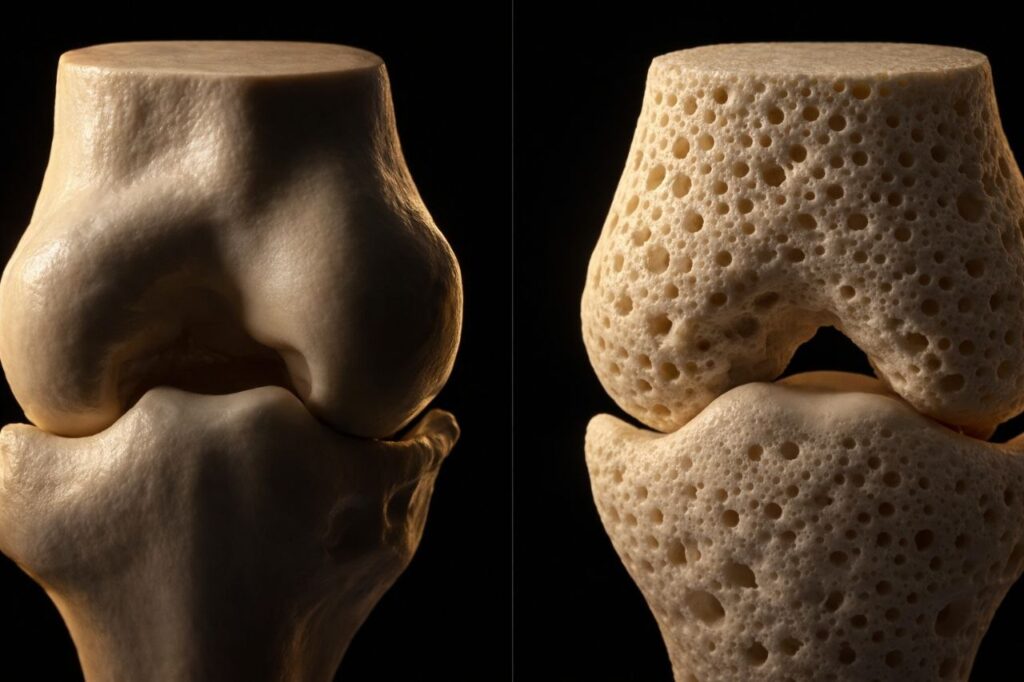
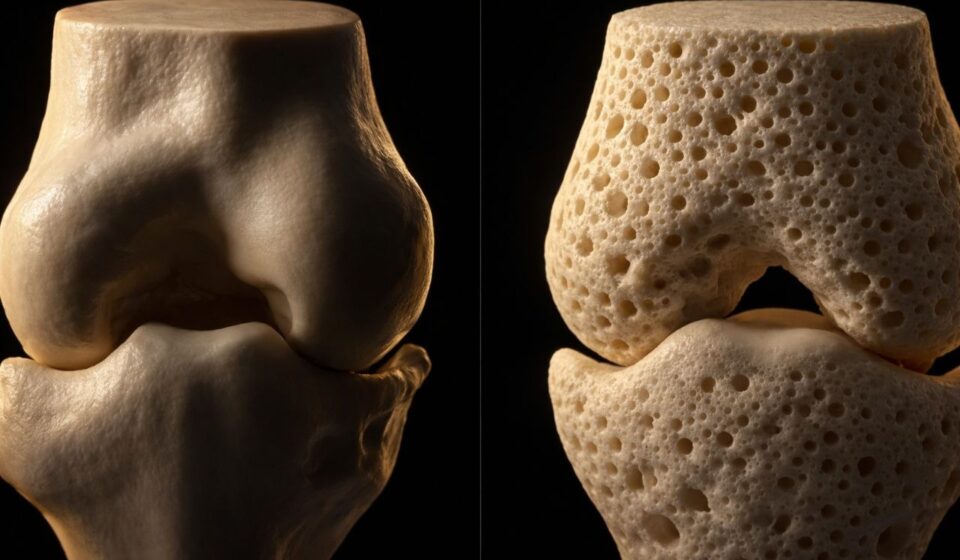
(Left: Normal Bone / Right: Osteoporotic Bone)
When we talk about osteoporosis, the typical structure of bone consists of a hard outer cortical layer and a mesh-like inner structure called the marrow. You can easily imagine it by thinking of the inside of a rib bone when you eat galbi. In osteoporosis, the spaces within this mesh-like structure become much larger, which leads to weakened bones.

(Example image of jawbone and implant treatment in an osteoporosis patient))
Osteoporosis medications are prescribed to strengthen weakened bones throughout the body, such as the spine or leg bones. These medications activate the cells that build bone while suppressing the function of osteoclasts, the cells that absorb bone, thereby making the bones denser. For decades, osteoporosis drugs have been used with this purpose in mind. Since the goal is to strengthen bones systemically, they also make the bones of the lower and upper jaw denser.
Although these medications make the bone denser, problems arise because dental treatments often expose the bone — such as during tooth extractions or when gum disease requires removing a tooth. What has been found is that, although the bone becomes harder, its biological activity decreases, which significantly delays the healing of this hardened bone.
As a result, it was found that even after a tooth was extracted, the bone did not regenerate properly.
You can’t simply avoid dental treatment, nor can you stop taking osteoporosis medication, and because of these conflicting factors, the medications have improved somewhat but are still far from perfect. Therefore, in general, patients taking osteoporosis medication should avoid treatments that expose the bone whenever possible. In most cases, even if bone is exposed, taking a medication break or adjusting treatment can help improve healing, but there are still situations where the bone may not heal properly.
This can become a very painful and difficult experience for the patient, so in general, those taking osteoporosis medication should be more cautious about procedures such as tooth extractions, deep gum treatments, or implant placement.

(Pangyo Station Balance Dental Hospital / Director Ryu Seong-hoon)
There are various testing methods and guidelines, but they only serve as references. Even if certain values appear acceptable or a medication break is recommended, osteoporosis drugs remain in the bone and continue to reduce bone activity. Because the bone has already become hardened and less biologically active, I believe that a drug holiday is not a fully reliable guideline.
I believe that patients taking osteoporosis medication should receive care at a truly specialized dental clinic and thoroughly discuss their treatment plan with a specialist before making any decisions.
(Balance Dental Hospital website https://www.balancedental.co.kr)